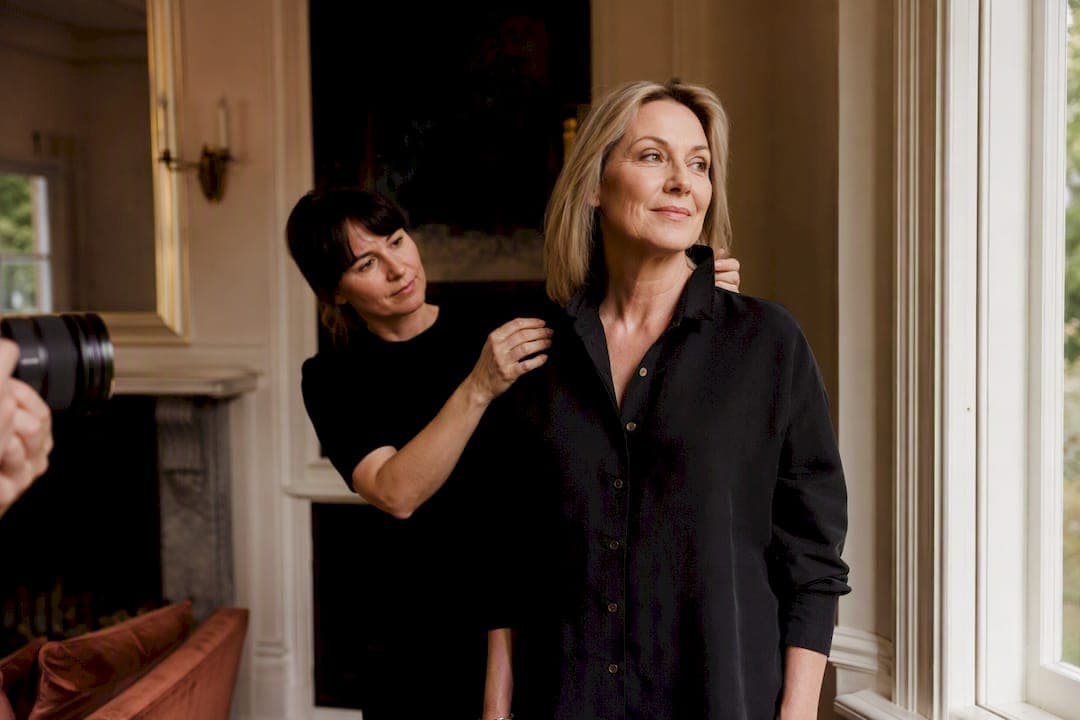
Candid photos capture spontaneous emotion as it happens, while posed photos give you controlled composition and a polished finish. Most sessions benefit from both. Photographers like Rowan Freeman of Life in Style Photography typically secure a handful of posed keepers first, then loosen the structure to let genuine moments unfold, giving clients authenticity and polish in the same session.
TL;DR:
- Combining posed and candid photography enhances authenticity while maintaining control, with formal shots secured early and spontaneous moments captured later.
- Technical differences include longer lenses and available light for candid shots, versus controlled lighting and direct direction for posed images.
- Candid photos are perceived as more genuine and trustworthy, especially in informal settings like weddings and family gatherings, while posed images excel in professional contexts.
- To prepare, clients should plan a mix of outfits, prioritize key portraits, and allow for natural interactions rather than over-scripting every shot.
- Most sessions benefit from a blended approach, with formal posed images for professionalism and candid shots for capturing emotion and true atmosphere.
Table of Contents
- What's the difference between candid and posed photos?
- When should you choose candid over posed photos?
- How does Life in Style Photography blend the two styles?
- How do you prepare for a mix of candid and posed shots?
- What's the best default for most photo sessions?
- A photographer's take on candid vs posed
- Ready to plan a session that captures both?
- Sources
What's the difference between candid and posed photos?
Candid photography captures subjects without staging them for the camera. The photographer works as an observer, watching for a genuine laugh or an unguarded glance rather than directing it. Posed photography flips that role: the photographer arranges the subject's posture, eye-line, and expression before the shutter clicks.
The technical setup differs too. Candid work usually leans on longer lenses, wider apertures, and faster shutter speeds to freeze movement without the subject noticing the camera. Posed portraits tend to use controlled lighting (softboxes, reflectors, or off-camera flash) and shorter working distances so the photographer can direct fine details like chin angle and hand placement.
A few markers help you tell the two apart in a portfolio:
- Eye contact: posed shots usually lock eyes with the lens; candid shots often look away or mid-conversation.
- Lighting consistency: posed images show even, deliberate lighting; candid shots often use available light, which is why modern fast lenses and low-light digital sensors have made candid shooting far easier indoors, according to Wikipedia's overview of the genre.
- Body language: posed subjects hold a static position; candid subjects are mid-motion or mid-gesture.
- Framing: posed shots are usually tighter and centred; candid shots often include background context.
When should you choose candid over posed photos?
The right style depends on what you're using the images for and how you want viewers to feel when they see them.
Candid shots suit weddings, family gatherings, travel documentation, and any event where the story matters more than symmetry. Posed shots suit headshots, personal branding poses, and commercial work where consistency and control carry more weight than spontaneity.
- Weddings and events: candid captures the real reactions guests remember; posed locks in the formal group shots families expect.
- Family sessions: candid shows genuine affection between siblings or generations; posed gives you the wall-worthy portrait.
- Headshots and branding: posed dominates here because clients need a consistent, professional look across LinkedIn, websites, and print.
- Travel and lifestyle: candid wins almost every time, since staged travel photos tend to look artificial.
Candid images often read as more trustworthy. Research from Alixandra Barasch and Jonah Berger found that candid or candid-feeling photos increase perceived authenticity and social attraction compared with posed shots, though the effect varies by context, such as dating profiles versus job applications.
That authenticity effect isn't just academic theory. Separate research from NYU Stern found observers tend to view candid-feeling images as more genuine, and they're more likely to feel a real connection to the person in the shot. Posed images still carry weight where authority and polish matter more than warmth, which is exactly why a corporate headshot and a wedding reception photo call for opposite techniques.
How does Life in Style Photography blend the two styles?
Rowan Freeman's sessions rarely stick to one style for the full booking. The usual approach: secure the posed "must-have" shots early, while everyone's fresh and cooperative, then shift into activities that pull people out of their heads and into the moment.
Prompts that reliably produce candid reactions include:
- Asking a couple to walk together and talk quietly.
- Getting a group to share a real joke or memory.
- Playing a song and letting people move naturally.
- Whispering something unexpected right before the shutter fires.
On the technical side, wider apertures create the shallow depth of field that separates a subject from a busy background, while faster shutter speeds freeze genuine movement instead of blurring it. Lighting choices shift too. Posed portraits often use directional studio light for definition, while candid moments lean on ambient or bounced light to avoid drawing attention to the camera.
Industry guides on candid technique describe this sequencing (posed first, candid second) as standard practice, because it protects the formal shots you need while still leaving room for authentic ones.
Pro Tip: You don't need total secrecy to get a candid feel. Setting up a natural interaction, like handing someone a note to read, then photographing the genuine reaction, produces the same authentic quality within a composition you've already controlled.
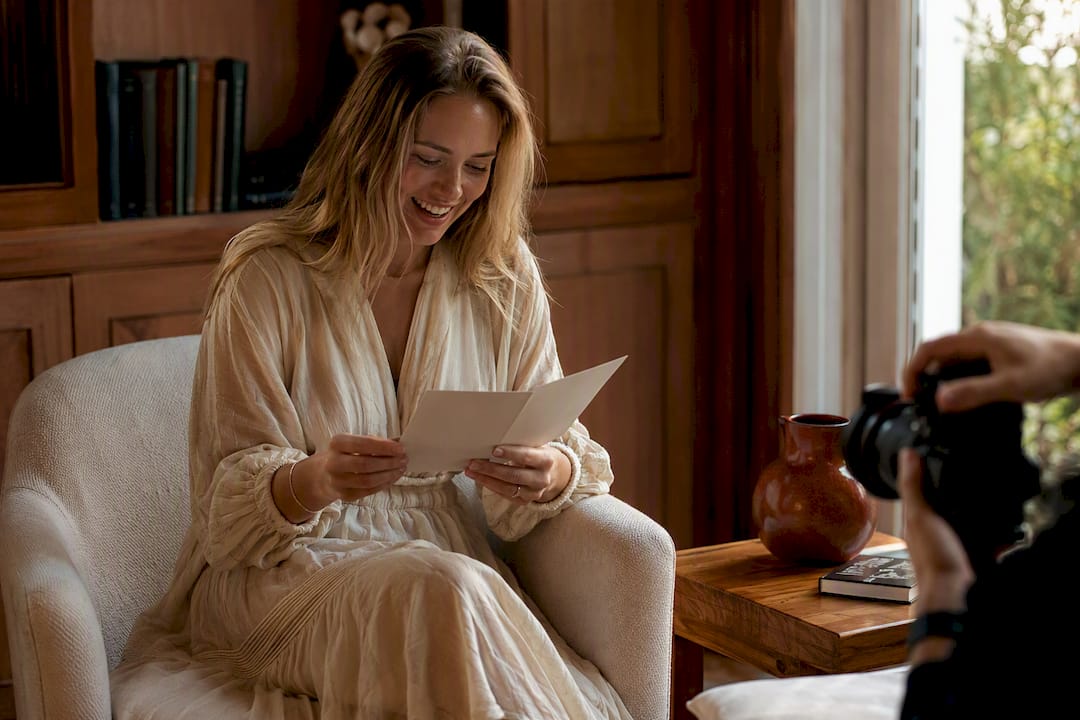
A relaxed, conversational style on set matters more than gear. Clients who feel comfortable stop performing for the camera within minutes, which is usually where the best candid frames come from.
How do you prepare for a mix of candid and posed shots?
Getting both styles right starts before the camera ever comes out.
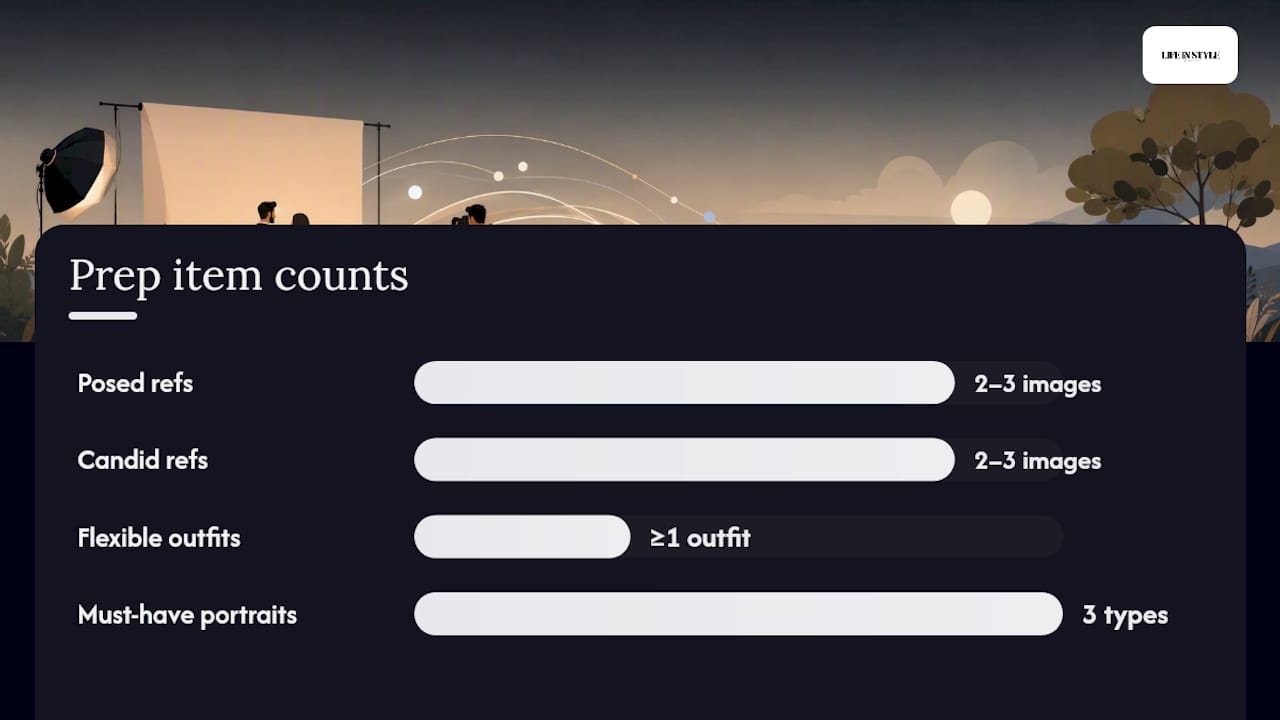
- Build a simple moodboard. Pull two or three reference images for posed shots and two or three for the candid feel you want, so your photographer understands the tone you're after.
- Choose clothing that moves well. Structured fabrics photograph beautifully when posed but can look stiff during candid movement, so pick at least one flexible outfit for the loose parts of the shoot.
- List your must-have portraits first. Family groups, couple shots, or headshots should be locked in early, before energy dips.
- Ask for minimal direction during the candid portion. Tell your photographer you're happy to just talk, walk, or laugh rather than hold a pose.
- Request some background activity. A market, a garden, or a room full of guests gives candid shots somewhere natural to happen.
Avoid over-planning every single frame. A shot list that's too rigid squeezes out the spontaneity that makes candid photography work. Skip heavy makeup or overly formal styling if candid moments make up most of the brief, since natural texture reads better in unguarded shots than in staged ones.
Pro Tip: If you tend to freeze up in front of a lens, tell your photographer before the session starts. A good photographer will build in more movement and conversation prompts specifically to work around camera shyness.
What's the best default for most photo sessions?
Most people are better served by a blend: posed shots for the images you'll frame or use professionally, candid shots for the ones that actually capture how the day felt. Lean posed-only for formal headshots and personal branding work, and lean candid-heavy for emotional event coverage like weddings, birthdays, or family reunions where the story matters more than the symmetry.
A photographer's take on candid vs posed
People often ask us to choose one style, as if candid and posed are opposing philosophies. They're not. They're tools, and the mistake we see most often is clients assuming a "candid" session means no direction at all, when the best candid frames usually come from a photographer who's quietly shaped the moment without the subject noticing.
Rowan Freeman's approach at Life in Style Photography leans on a relaxed, storytelling style precisely because stiff instructions kill spontaneity before it starts. A typical session opens with the formal shots families and couples actually need, then eases into conversation, movement, and small prompts until people forget the camera's there. That's when the honest expressions show up. You can see the results across our portfolio, where posed structure and unscripted moments sit side by side in the same gallery.
— Rowan Freeman
Ready to plan a session that captures both?
If you've been weighing up a formal studio sitting against a documentary-style shoot, you don't have to pick one. Life in Style Photography builds every session around getting the polished keepers you need and the genuine moments you'll actually treasure, without asking you to choose a lane before the camera even comes out.
Whether you're after professional headshots, a personal branding refresh, couples portraits, or full wedding coverage, the same blended approach applies: secure the essential shots first, then let real interaction take over. Our posing guide for couples is worth a look if you want a head start on what actually looks natural on camera.
Browse the photography packages to see what's included, then get in touch to check availability for your session. It's the simplest way to walk away with images that look considered and feel real.
Sources
- Candid photography — Wikipedia
- Knowledge at Wharton: The power of candid photos (Berger / Barasch interview)
- Candid online photos improve social status and dating prospects — NYU Stern (Barasch / Berger)