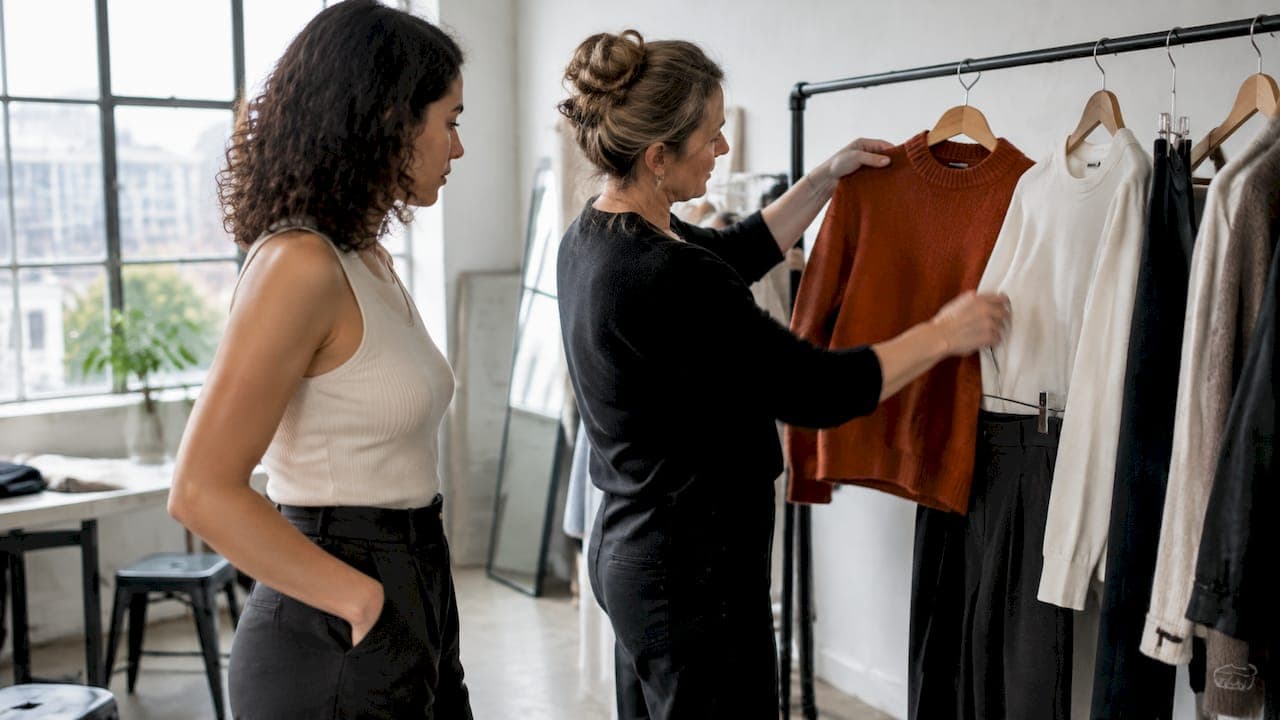
Bring at least two outfit options, comfortable shoes, a small touch-up kit, water, a phone charger and your booking confirmation. The single most important habit is communicating openly with your photographer about outfit choices and any nerves before the camera comes out. Professional photographers often plan sessions around this kind of preparation, which helps keep the day relaxed and the results natural.
TL;DR:
- Bringing two to three outfits in a coordinated color palette helps create natural-looking images and allows for easy changing during the session.
- Packing a small touch-up kit with blotting papers, a mirror, and hair tools addresses common appearance issues before photos are taken.
- Wearing solid, muted tones with textured fabrics and avoiding busy patterns or shiny materials enhances photographic quality and minimizes distractions.
- Preparing skin, hair, and nails in the days leading up to the shoot improves overall appearance, with hydration and gentle exfoliation being key steps.
- Having a spare outfit and lint roller in your bag can prevent most small problems and help keep your look tidy throughout the session.
Table of Contents
- Your packing checklist for the day
- Choosing outfits that photograph well
- Getting your skin, hair and body shoot-ready
- What to pack in your model bag
- Accessories and props that actually help
- On-set behaviour and booking essentials
- How Life in Style Photography prepares clients
- A photographer's take on what matters most
- Ready to book your own session
- FAQ
- Sources
Your packing checklist for the day
Packing with intention saves time on the day and takes the guesswork out of getting dressed in an unfamiliar space. A good rule of thumb is two to three outfit options, worn in order from most formal to most casual, so later changes feel easier rather than more complicated.
Your touch-up kit matters almost as much as your outfits. Oily skin, flyaway hair and small wardrobe mishaps are common, and a few small items solve most of them before they show up in a photo.
- Clothing: two to three outfits, spare underwear, a backup top and comfortable shoes you can walk and pose in.
- Touch-up kit: blotting papers, a small mirror, hairbrush or comb, lip balm and translucent powder.
- Practical items: water, a light snack, your phone charger, any regular medication and a packet of wipes.
- Booking documents: your confirmation email or text, the shoot address, and a receipt if you have paid a deposit.
- Weather extras: sunscreen, a small umbrella and a light blanket if your session is outdoors.
Pro Tip: Lay everything out the night before and photograph it on your phone, so you can check nothing's missing as you pack the car or bag on the morning of the shoot.
Choosing outfits that photograph well
What you wear affects the final images more than almost anything else you bring. Solid, muted tones photograph more consistently than bright or busy prints, and sticking to a one to three colour palette keeps the eye on your face rather than your clothing. This is a point photography guides return to again and again, because cameras handle solid colours and texture better than busy patterns.
Texture adds visual interest without adding distraction. A linen shirt, a chunky knit or well-worn denim all read beautifully on camera, especially when layered. Fit matters too: clothing that's slightly too tight or too loose can create odd shapes in photos, so check sleeves and hems sit well before the day arrives.
If you're shooting with family or a partner, aim for complementary tones rather than identical outfits. Matching everyone in the same navy shirt looks staged, while coordinated colours in a shared palette look considered.
- Avoid large logos, busy prints and fine stripes that can create a shimmering effect on camera.
- Avoid overly shiny or metallic fabrics, which tend to reflect light unpredictably.
- Choose clothing you've worn before and know feels comfortable to move and sit in.
Getting your skin, hair and body shoot-ready
Good preparation starts well before the shoot, not on the morning itself. The few days before the shoot is when small decisions have the biggest effect on how you look and feel on camera.
- 72 to 48 hours before: avoid trying new skincare products, keep hydrated and do any gentle exfoliation.
- 48 to 24 hours before: if you need a haircut, book it well in advance to allow the style to settle naturally, following the lead time photography guides commonly recommend; avoid waxing or aggressive hair removal within 24 hours of the shoot.
- 24 hours before: prioritise sleep, go easy on alcohol and salty food, and plan a light, hydrating meal before you leave.
- Morning of: moisturise lightly, and pack blotting papers, eye drops and a spare set of contacts if you wear them.
Clean, short, moisturised nails are worth a few minutes' attention too, particularly if your hands will feature in close-up shots.
Pro Tip: Drink water steadily over the two days before your shoot rather than all at once on the morning, since gradual hydration shows more in your skin than a last-minute glass does.
What to pack in your model bag
A compact kit solves most on-set problems before they become visible in a photo. Professional model preparation relies on a few reliable items rather than a bag full of extras, and the same approach works well for first-time clients.
- Quick fixes: blotting papers, a small mirror, hair ties, bobby pins and a travel-size hairbrush.
- Garment care: double-sided fashion tape, safety pins, a mini sewing kit, a lint roller and a stain pen for sudden spills.
- Backups: spare underwear and socks, since small wardrobe surprises happen more often than you'd expect.
- Comfort and energy: phone charger or power bank, a bottle of water and a protein-based snack to keep energy steady.
- For baby or family shoots: a favourite toy, a small snack and a spare outfit for little ones who tend to need a change midway through.
Accessories and props that actually help
Accessories should add character without pulling focus from your face. Simple jewellery works best: avoid large, reflective pieces that can catch light awkwardly or distract from your expression.
A hat, scarf or jacket you can add or remove gives you an easy way to create a second look within the same outfit, which is useful if you want variety without a full change. Props work well when they relate to your story, a guitar for a musician, a mug for a cosy lifestyle shot, rather than being decorative for its own sake. A light blanket or a folding chair can also double as both a comfort item and a visual prop for outdoor sessions.
- Choose one or two accessories per outfit rather than layering several at once.
- Bring props that are proportionate to the frame and easy to carry.
Pro Tip: If you're unsure whether a prop will work, bring it anyway. It's far easier to leave something out of frame than to wish you'd packed it.
On-set behaviour and booking essentials
Arrive early enough to ensure your session starts on time and runs to its full length. Share your inspiration images and priorities with your photographer at the start, which helps them guide posing and pacing without the shoot drifting off course.

On the admin side, keep your booking confirmation and any deposit receipt handy, and ask upfront about cancellation terms. Guidance on contracts and sales agreements notes that deposits are commonly non-refundable unless the provider fails to deliver, so a receipt protects both sides.
How Life in Style Photography prepares clients
Some photographers build their sessions around a relaxed, engaging style that helps even camera-shy clients feel at ease in front of the lens. Before each shoot, the team talks through outfit choices and can guide quick changes on the day, so nothing feels rushed or overly staged.
That groundwork, paired with simple pose coaching through the session, is what tends to produce the natural, authentic images clients are after rather than stiff, posed ones. You can see examples of these outcomes in the personal branding photography portfolio.

A photographer's take on what matters most
If you take one thing from this list, make it a spare outfit and a lint roller. They solve more small problems than anything else in a bag, from a creased collar to a stray hair caught in the wrong place.
Beyond that, let your photographer guide the session — and consider some posing practice beforehand to help you feel confident and prepared. You don't need to know how to pose: that's their job, and showing up prepared is yours.
— Rowan Freeman
Ready to book your own session
If planning outfits and timing feels like one more thing to manage, that's exactly where a photographer can help. Photographers often discuss wardrobe and styling with clients before the shoot, so you arrive knowing what to wear rather than guessing.
Services that suit most of what's covered here include:
- Headshots, through Headshot Photography Services
- Personal branding sessions, through Personal Branding Services
- Family and lifestyle portraits, through Photography Services
To enquire, check availability, request a quote and ask about outfit planning support before your session date is confirmed.
FAQ
What is the "20/60/20 rule" in photography?
The term isn't a standard, widely documented photography rule, and definitions vary depending on who you ask. Rather than relying on it, focus on proven preparation steps such as outfit planning, grooming timing and clear communication with your photographer.
What is a good gift to give a photographer?
A handwritten thank-you note, a positive online review or a referral to friends and family are all genuinely valued by photographers. If you want to give something physical, a small gift card to a local café is a simple, appropriate gesture.
What not to wear for a photo shoot?
Avoid large logos, busy small patterns like fine stripes, and shiny or metallic fabrics, since these can distract from your face or create odd effects on camera, according to portrait clothing guidance. Stick to solid, muted tones and fabrics with some texture for the most flattering results.
What to do 24 hours before a photo shoot?
Focus on sleep, steady hydration and a light, balanced meal rather than anything new or heavy. Avoid alcohol, excess salt and any new skincare or hair products that could cause an unexpected reaction.
Do I need a contract or deposit to book a photographer?
Most photographers require a deposit to secure your date, and it's standard practice to get a receipt for it. Under consumer rights for services, you're entitled to reasonable care and skill and completion within a reasonable time, with remedies available if a service doesn't meet those standards.
Sources
- Contracts and sales agreements | Consumer Protection
- Clothing for portraits: how to tell your subjects what to wear | Digital Photography School
- How to prepare for a photoshoot like a professional model