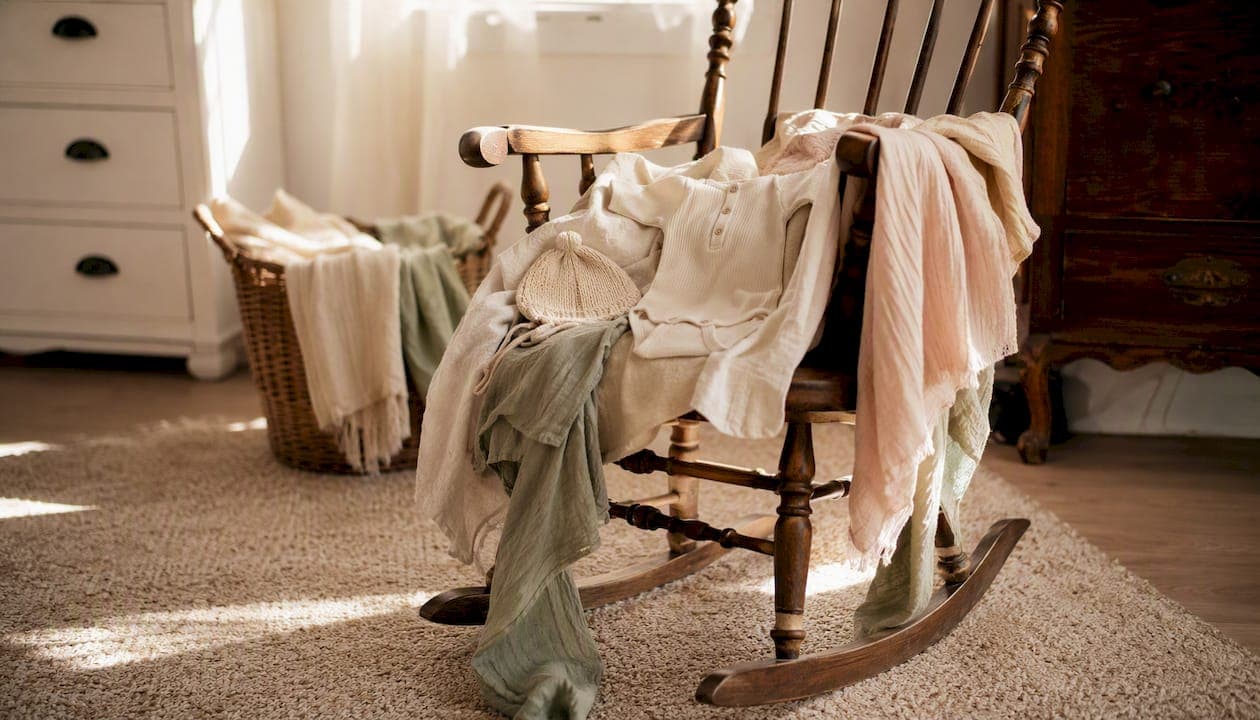
The single best approach to newborn session outfits is this: dress your baby in a soft, loose neutral, build your family's palette around that anchor tone, and prioritise comfort over coordination. When clothing is calm and cohesive, the baby becomes the undeniable focal point of every frame.
Here is a quick-start guide before we go deeper:
- Baby: cream zip-up onesie, a soft muslin wrap, or a knotted gown in warm white or oat
- Mum: a midi wrap dress or soft knit cardigan in warm beige, dusty rose, or sage
- Dad: a neutral henley, linen shirt, or fine-knit jumper in stone, grey, or navy
- Siblings: echo the palette rather than match it exactly; a cream top with soft denim works well
Pro Tip: Lay your chosen outfits side by side on a white surface and photograph them on your phone two weeks before the session. Check the image in black and white as well as colour to spot any tones that clash or compete.
Key takeaways
Soft, coordinated palettes built around the baby's base tone, combined with comfortable fabrics and a simple packing checklist, are what make newborn session outfits work beautifully every time.
| Point | Details |
|---|---|
| Baby is the tonal anchor | Start with the baby's outfit colour, then dress parents one shade darker or lighter. |
| Keep palettes simple | Neutrals, soft pastels, and earth tones photograph best; avoid neon and busy prints. |
| Texture over pattern | Knit, muslin, and linen add depth; one patterned item maximum across the whole family. |
| Bring backups | Pack at least one spare onesie and a spare top for each parent; spills are expected. |
| Life in style Photography | Offers Auckland newborn sessions with a client wardrobe, pre-session consultation, and relaxed on-set approach. |
Table of Contents
- How your session style shapes the wardrobe you choose
- Colour palettes that photograph beautifully
- Baby outfit ideas that keep the focus where it belongs
- What parents and siblings should wear
- A simple system for coordinating the whole family
- Nursing and postpartum outfit tips for comfort and access
- Using accessories and texture to add depth without distraction
- Common mistakes to avoid on the day
- When to book newborn photos and whether three weeks old is still fine
- What to pack for the session day
- What your photographer provides and how Life in style Photography supports you
- Small choices that make a big difference, from behind the lens
- Life in style Photography: newborn and family sessions in Auckland
- Sources
How your session style shapes the wardrobe you choose
Before you shop or pull anything from the wardrobe, decide on the session's overall mood. Three styles are common for Auckland maternity and baby photography, and each calls for a slightly different wardrobe approach.
- Studio editorial: clean backdrops, controlled light, and posed portraits. Wardrobe can be slightly more polished: a structured linen dress for mum, a fitted knit for dad. Shoes rarely appear, so comfort matters more than footwear.
- In-home lifestyle: natural light, your own furniture, and candid moments. Softer, more relaxed clothing reads best here. Think oversized knits, bare feet, and relaxed trousers.
- Outdoor earthy: natural NZ settings like bush, beach, or garden. Breathable fabrics in earth tones suit the surroundings. Footwear matters more here; choose simple sandals or clean white sneakers.
New Zealand's climate adds a practical layer to this decision. For winter sessions in the South Island or during Auckland's cooler months (June through August), warm merino layers for baby and a cosy cardigan for mum keep everyone comfortable without adding visual bulk. Summer sessions call for breathable linen and cotton to prevent overheating, especially for a newborn who cannot regulate their own temperature. Checking safe sleep and sleepwear guidance for appropriate fabric weights is a practical step when dressing a newborn for an indoor shoot.
Pro Tip: Ask your photographer for a brief or mood board before you shop. Many photographers, including Life in style Photography, offer a pre-session consultation where you can share outfit photos and get feedback before the day.
Colour palettes that photograph beautifully
Soft neutrals, pastels and earth tones photograph best and keep the focus on the baby. Here are four palettes that work reliably on camera, with sample tones for each.
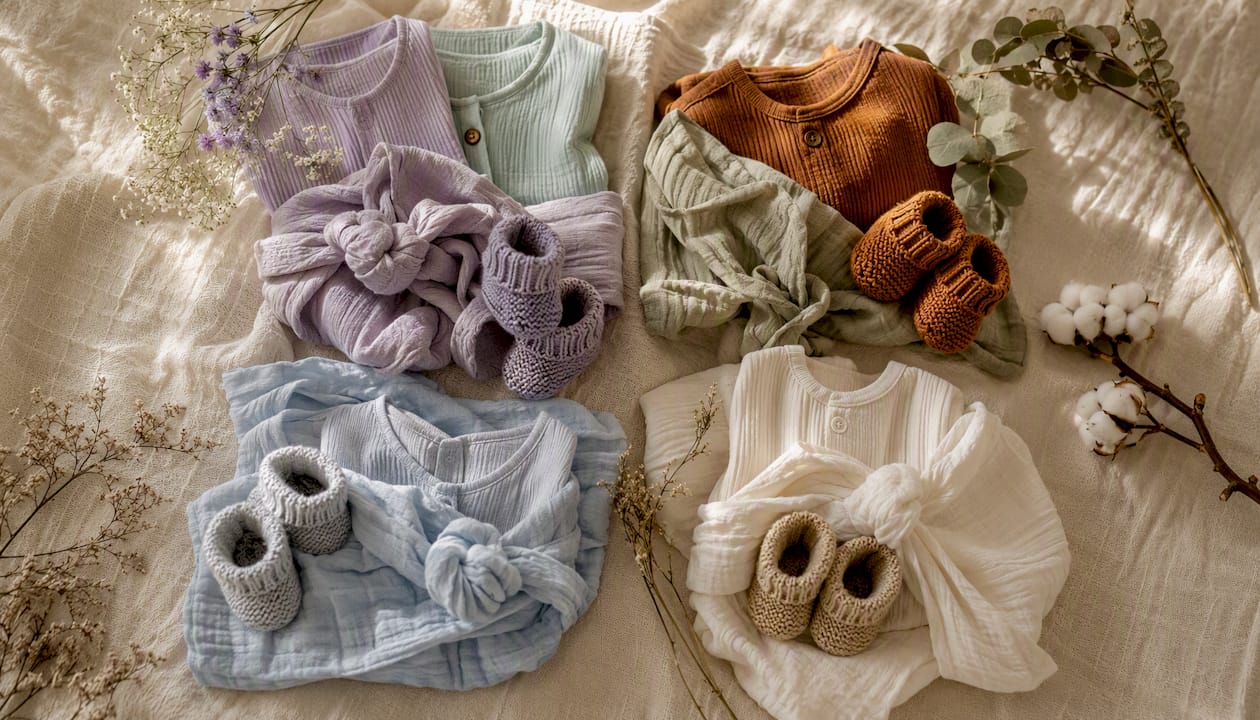
Neutral warmth: cream, oat, warm white, soft camel. These tones create a timeless, airy feel and work in any NZ season. They also complement a wide range of skin tones.
Soft pastels: dusty rose, powder blue, sage green, lavender mist. These add gentle colour without competing with the baby's skin. Avoid saturated versions of these shades; the muted, greyed-down versions are what photograph well.
Earth tones: terracotta, rust, warm taupe, olive. These suit outdoor and in-home lifestyle sessions particularly well and pair beautifully with NZ bush or beach settings.
Muted cools: slate blue, soft grey, cool white, pale eucalyptus. These work especially well in studio settings with controlled lighting and give a modern, editorial feel.
Colours to avoid include neon shades, saturated brights (hot pink, electric blue, vivid red), and high-contrast graphic prints. These draw the eye away from the baby and can cast unwanted colour reflections on delicate newborn skin in close-up shots.
Pro Tip: Photograph your outfit swatches together on a neutral background before the session. If one item immediately draws your eye before the others, it will do the same in the final gallery.
Baby outfit ideas that keep the focus where it belongs
The best newborn photo clothing for your baby is simple, soft, and easy to remove quickly. Dress the baby in something loose and easy to remove, such as a zip-up onesie, to avoid waking them when transitioning into wraps or poses.
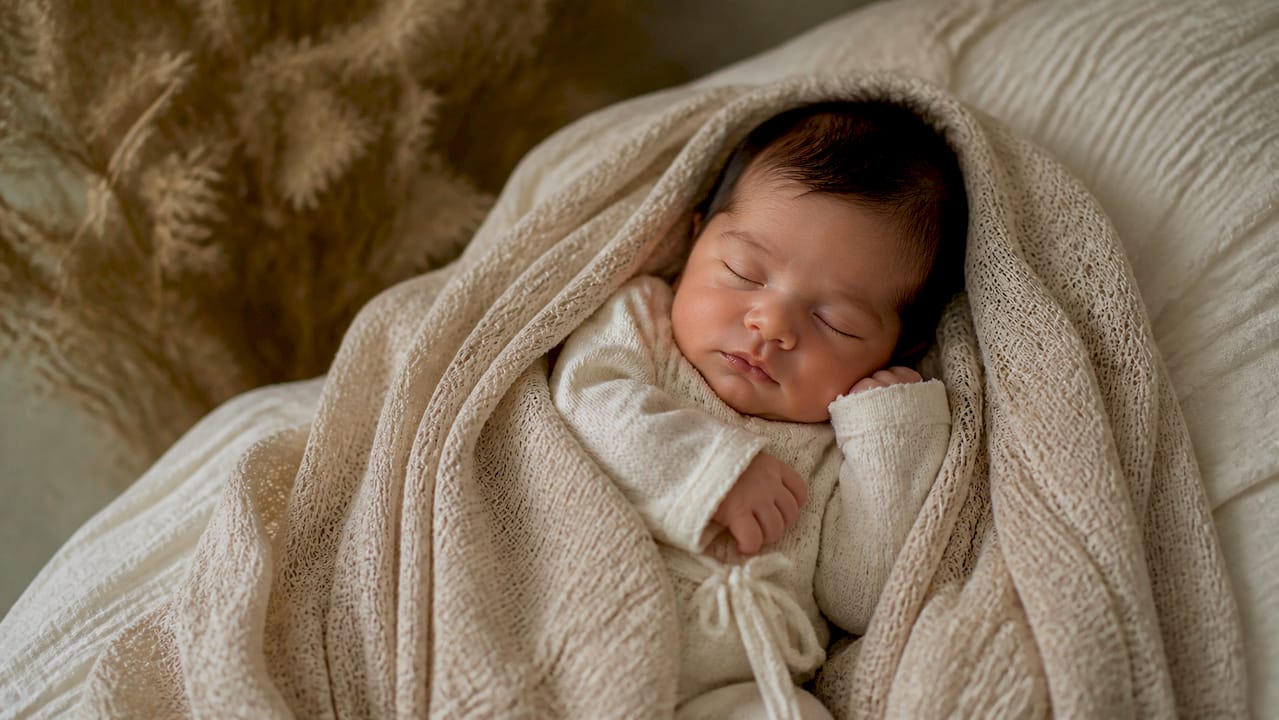
Plain onesies and rompers in cream, white, or soft grey give the photographer a clean base for close-up portraits. They also make quick changes straightforward without disturbing a sleeping baby.
Swaddles and wraps are a photographer's favourite for posed shots. Muslin wraps in warm neutrals or soft pastels add texture and allow for a range of poses. Bring one or two in different tones for variety.
Knotted gowns in cotton or jersey add a soft, flowing look that photographs beautifully for lifestyle shots. A small texture, like a subtle rib or waffle weave, adds visual interest without distraction.
Accessories that work: soft cotton or merino hats, simple plain headbands (no large flowers or stiff bows), and plain knit booties. Keep them minimal and ensure nothing is tight around the head or ankles.
Accessories to avoid: anything with small detachable parts, stiff new garments that crease badly, tight elastic waistbands, and novelty items with large logos or slogans.
Bring one to three baby outfits at most. Less is more for baby outfits; two or three looks prevent fuss and keep the gallery cohesive. A sleepy, settled baby in one beautiful wrap will always outperform an alert, unsettled baby in five outfit changes.
Pro Tip: Wash all baby garments before the session to soften any stiffness and remove any chemical smell from new fabric. Pre-washed clothing also sits more naturally on a newborn's body.
What parents and siblings should wear
Comfortable, well-fitting clothing that echoes the baby's palette is the goal for every adult and child in the frame.
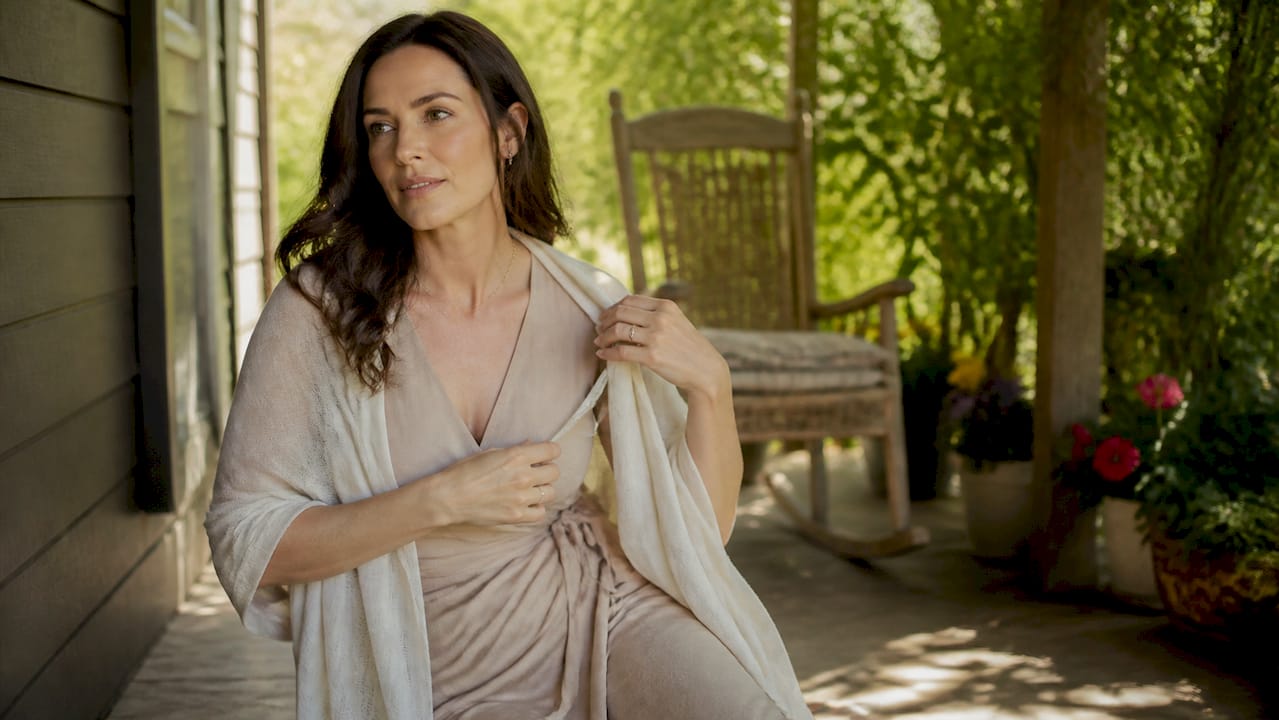
Mum: A midi wrap dress or a soft jersey dress in a neutral or muted pastel is a reliable choice. Wrap styles are forgiving of postpartum body changes and allow easy nursing access. A soft knit cardigan over a simple cami also works well for lifestyle sessions. Avoid anything with a structured waistband that might feel uncomfortable during a long session. Footwear is often not visible, but if it is, simple sandals or bare feet read best.
Dad: Keep it simple. A fine-knit henley, a linen button shirt, or a plain crew-neck jumper in stone, navy, or warm grey pairs well with neutral trousers or dark jeans. Avoid bold logos, sports branding, or shirts with busy patterns. Flowy dresses, soft knits and breathable layers photograph well and help parents relax, and the same principle applies to dad's layers.
Siblings: Choose comfortable fabrics the child actually likes wearing, because a comfortable sibling is a cooperative one. Echo the family palette rather than match it exactly. A cream top with soft denim, or a sage green dress with white tights, sits naturally alongside the baby's tones. Pack a spare top in case of spills, and bring a small quiet activity to keep them calm before their turn in front of the camera.
Accessories for parents: minimal jewellery works best. A simple ring or small stud earrings are fine. Check nails before the session; chipped or very bright polish shows clearly in close-up hand shots. Hair should be clean and styled simply.
Pro Tip: Lay out sibling outfits the night before and let older children feel involved in choosing between two pre-approved options. It reduces morning stress and gives them a sense of ownership over the day.
A simple system for coordinating the whole family
Coordinating newborn session outfits does not require exact matching. A three-step tonal system keeps things cohesive without looking stiff.
- Start with the baby's base tone. Choose the baby's primary colour first, whether that is cream, oat, or a soft pastel. This is the lightest point in the frame.
- Dress parents one shade darker or lighter. Start with the baby as the tonal anchor, then dress parents one shade darker or lighter so the baby reads as the brightest point in the frame. If the baby is in cream, mum might wear warm beige and dad a soft stone grey.
- Add one accent for a sibling. A sibling can introduce a gentle accent tone, such as dusty rose or sage, that ties back to the palette without competing with the baby.
For texture balance, allow one patterned item maximum across the whole group. A subtle stripe on dad's shirt or a small floral on a sibling's dress is enough. Mix fabric types: a linen shirt next to a knit cardigan next to a muslin wrap creates visual depth without noise.
A useful visual check: imagine the frame as a three-layer tonal cake. Baby is the lightest layer at the top, parents are the mid-tones in the middle, and the background (whether a studio backdrop or a natural setting) is the darkest layer at the base. If your outfit choices follow that gradient, the baby will always read as the focal point.
Pro Tip: Photograph your whole family's outfits together on a bed or table before the session day. If one item immediately stands out as too bright or too dark, swap it before you leave home.
Nursing and postpartum outfit tips for comfort and access
Comfort during the session matters as much as how the outfit looks on camera. A birthing parent who is physically uncomfortable will find it hard to relax, and that tension shows in photos.
Prioritise garments with:
- Button or zip fronts for quick nursing access without full undressing
- Wrap dresses and crossover necklines that open easily
- Cami tops under an open cardigan, which allow skin-to-skin contact without removing the whole outfit
- Stretchy, forgiving fabrics like jersey or soft modal that move with the body
For undergarments, choose a supportive but smooth nursing bra without heavy underwire that might show under a soft dress. Nipple covers are a practical option if you prefer a cleaner silhouette under lighter fabrics. Shapewear is a personal choice; if you wear it, choose a comfortable, breathable style rather than anything constrictive, since sessions can run for two hours or more.
For quick wardrobe changes, keep the baby settled by having your partner or the photographer hold them while you change. Avoid outfits that require significant time or effort to get into, because a calm baby window can close quickly.
Pro Tip: Pack a loose, comfortable nursing top in your bag even if you plan to use the session outfits for feeding. Having the option to step aside in something easy gives you flexibility without disrupting the session's flow.
Using accessories and texture to add depth without distraction
Texture adds visual interest more effectively than patterns. Knit, muslin, and linen photograph with a pleasant, natural quality that adds dimension to a frame without drawing the eye away from the baby.
Fabric choices that work well:
- Rib knit: adds subtle texture to a plain garment; works for baby wraps, mum's dress, and dad's jumper
- Muslin: lightweight and soft; ideal for swaddles and wraps in warm or cool tones
- Linen: natural texture and slight drape; suits lifestyle and outdoor sessions
- Merino: warm, soft, and fine enough to photograph without bulk; practical for NZ winter sessions
Fabrics to avoid include shiny synthetics (polyester satin, metallic threads) and anything with a high sheen, which reflects light unpredictably and can look cheap on camera.
For accessories, keep them small and purposeful. A soft cotton or merino hat on the baby, a simple plain headband, or a small heirloom blanket can add meaning and texture without cluttering the frame. If you want to include a family heirloom, discuss it with your photographer beforehand so they can plan how to incorporate it safely and beautifully.
Coordinating textures across family members adds gallery variety. If the baby is in a muslin wrap, mum in a linen dress, and dad in a knit jumper, each frame has a different tactile quality while staying tonally unified.
Pro Tip: Avoid mixing more than two fabric types in a single outfit. A linen dress with a knit cardigan is enough; adding a silk scarf and a patterned bag creates visual noise that competes with the baby.
Common mistakes to avoid on the day
A few straightforward choices can make the difference between photos that feel timeless and ones that date quickly or feel cluttered.
Avoid these clothing choices:
- Busy patterns, large graphic prints, or high-contrast stripes
- Neon or saturated bright colours (hot pink, electric blue, vivid orange)
- Brand-new stiff clothing that has not been washed and creases badly under studio lighting
- Large logos, sports branding, or novelty slogans
- Tight elastic waistbands or necklines on the baby that leave marks on skin
Avoid these practical pitfalls:
- Strong fragrances (perfume, heavily scented fabric softener) that can unsettle a newborn
- Heavy jewellery that clanks or catches on baby's skin during close contact
- Chipped or very bright nail polish, which shows clearly in hand-and-baby close-ups
- Brand-new shoes that look stiff and unbroken-in
A quick pre-departure check: lay every outfit flat, check for visible tags or labels that might show, confirm elastics are not too tight, and make sure nothing has small detachable parts near where the baby will be held. Avoid tight elastics, small detachable pieces near the baby's face, heavy jewellery, and strong fragrances that might unsettle newborns.
When to book newborn photos and whether three weeks old is still fine
Book your newborn session during pregnancy, ideally by 28–32 weeks. Newborn photographers in New Zealand often fill their calendars weeks or months in advance, and booking early secures your preferred date without pressure.
Age guidance:
- 5–14 days old: the classic window for curled, sleepy newborn poses. Babies are still very flexible, sleep deeply, and are small enough for wrapped and posed shots.
- 2–4 weeks old: still workable for most posed shots, though babies are slightly more alert and may need more patience between sleepy windows. Three weeks old is absolutely fine; expect the session to take a little longer.
- 6–12 weeks old: lifestyle and tummy time photos work beautifully at this age. Babies are more expressive and interactive, which suits candid, in-home sessions. Classic curled poses are no longer possible, but the gallery can be just as meaningful.
For NZ seasonal planning: winter sessions (June through August) benefit from a warm studio with good heating. In-home sessions in winter need a room pre-warmed to around 24°C before the baby is undressed. Summer sessions (December through February) should avoid the middle of the day when direct sunlight is harsh; morning light is softer and more flattering. Reading up on newborn sleepy cues before the session helps you time feeding and settling so the baby arrives calm and ready.
Quick timeline:
- Two weeks before: finalise outfits, photograph them together, send photos to your photographer
- Day before: wash and lay out all garments, pack the bag, confirm the session time
- Session day: feed the baby just before leaving, arrive a few minutes early, and bring everything on the checklist below
What to pack for the session day
Arriving prepared means you can focus on the experience rather than scrambling for supplies. Photographers commonly recommend packing backups, wipes and spare outfits because wardrobe changes and spills are frequent.
Must-bring items:
- Spare onesie or romper (at least one backup beyond your planned outfits)
- Two to three swaddles or wraps in your chosen palette
- Nappies and wipes (more than you think you need)
- Feeding supplies: bottles, formula if used, or a nursing cover if preferred
- A nursing-friendly top for mum to wear during feeding breaks
- Hairbrush and any hair ties or clips
- Spare top for each parent (spills happen)
Optional but useful:
- A small heirloom item (blanket, toy, or piece of clothing) discussed with your photographer in advance
- A small quiet toy or activity for siblings
- A muslin cloth for quick clean-ups between shots
For NZ winter sessions, pack a warm merino or fleece blanket for the baby to stay warm between setups, and dress them in a zip-up layer that removes easily without waking them. A small portable heater in the car can also help keep the baby settled on the drive home.
Pro Tip: Pack everything in a single tote bag the night before and keep it by the front door. Organise it with baby items on top for quick access, and keep parent backup clothing in a separate zip-lock bag so it stays clean and easy to find.
What your photographer provides and how Life in style Photography supports you
Most professional newborn photographers in New Zealand offer more support than new parents realise. Understanding what is typically included helps you avoid unnecessary shopping and arrive with confidence.
What photographers commonly provide:
- A client wardrobe with wraps, swaddles, hats, and sometimes small props available to borrow
- A pre-session consultation (by phone, video, or email) to discuss outfit choices, session style, and logistics
- On-set wardrobe guidance if something is not working in the frame
- Temperature control in the studio to keep the baby comfortable and settled
- Guidance on outfit changes and pacing throughout the session
Photographers often supply wraps, blankets and a curated client wardrobe; ask about borrowing pieces before buying extras. This is worth confirming before you spend money on props or accessories you may not need.
Life in style Photography brings a relaxed, unhurried approach to every session. The on-set style is warm and engaging, which helps new parents feel at ease even when they are navigating a sleepy or unsettled baby. Sessions are paced around the baby's cues, not a rigid schedule, and outfit changes are handled calmly and practically.
Sessions typically run between one and a half to two and a half hours for newborn and family sessions, allowing time for feeding, settling, and multiple looks. Heirloom items are welcome; discuss them during your pre-session consultation so the photographer can plan how to include them safely.
Pro Tip: Before the session, send your photographer a photo of your planned outfits laid out together. Most photographers are happy to give quick feedback and can flag any tones that might not work before you arrive.
A pre-session consultation is one of the most practical things you can do to reduce stress on the day. It gives your photographer the chance to understand your family's style, flag any outfit concerns early, and set clear expectations so you arrive feeling prepared rather than anxious.
Small choices that make a big difference, from behind the lens
The most memorable newborn sessions are rarely the ones with the most elaborate outfits. They are the ones where the family was calm, the baby was settled, and the photographer had room to work with the light.
Watch for your baby's sleepy cues throughout the session. A slightly drowsy baby who is not yet fully asleep is often the easiest to pose and settle. Forcing poses when a baby is overtired or hungry leads to a longer, more stressful session for everyone. Knowing how to read those cues, and communicating them to your photographer, keeps the session moving naturally.
Natural light is your best friend for texture. A soft, north-facing window in the morning creates the kind of gentle, directional light that makes knit and muslin fabrics glow on camera. If your session is in a studio, trust your photographer to position you relative to the light source; avoid the instinct to face directly into it.
Wardrobe mishaps happen on every session. A crease in a dress, a hat that keeps slipping, a wrap that will not sit right. A good photographer carries a steamer or a few safety pins and knows how to tuck, fold, or swap quickly without waking the baby. If something is not working, say so early rather than hoping it resolves itself.
The most important thing you can do is stay connected to each other rather than focusing on being perfect for the camera. The photos that families treasure most are the ones that captured a real moment: a parent's hand resting on a tiny back, a sibling leaning in for a curious look, a quiet breath between poses.
Life in style Photography: newborn and family sessions in Auckland
For families in Auckland ready to book their newborn session, Life in style Photography offers a warm, relaxed approach to maternity and baby photography that takes the pressure off new parents from the first enquiry.
The pre-session consultation covers outfit choices, session style, and what to expect on the day, so you arrive prepared rather than guessing. The on-set approach is unhurried and responsive to the baby's needs, with studio and on-location options available across Auckland. A client wardrobe with wraps and accessories is available to borrow, which means you do not need to source every prop yourself.
To see the style and quality of work before you commit, browse the photography portfolio or review the available session packages to find the right fit for your family. When you are ready, reach out to discuss your session dates and what you would like to capture.
Sources
These NZ-focused resources and styling references informed this guide and are worth bookmarking as you prepare for your session.
- How to Prepare for a Newborn Photoshoot in Auckland | Photo Hive
- What to Wear for Newborn Photos (Baby + Parent Outfits) - Tov Studio Photo
- Newborn family photo outfits — Obvious
- Newborn prep guide | Mel Swan Photography
- What to wear to your photography session | Renee Lee Photography
Recommended
- Auckland Maternity and baby photography - Auckland Portrait, Branding & Wedding Photographer | Life in Style Photography
- Auckland Maternity and baby photography - Auckland Portrait, Branding & Wedding Photographer | Life in Style Photography
- Auckland Fashion Photographer - Auckland Portrait, Branding & Wedding Photographer | Life in Style Photography
- Auckland Engagement Photographer - Auckland Portrait, Branding & Wedding Photographer | Life in Style Photography