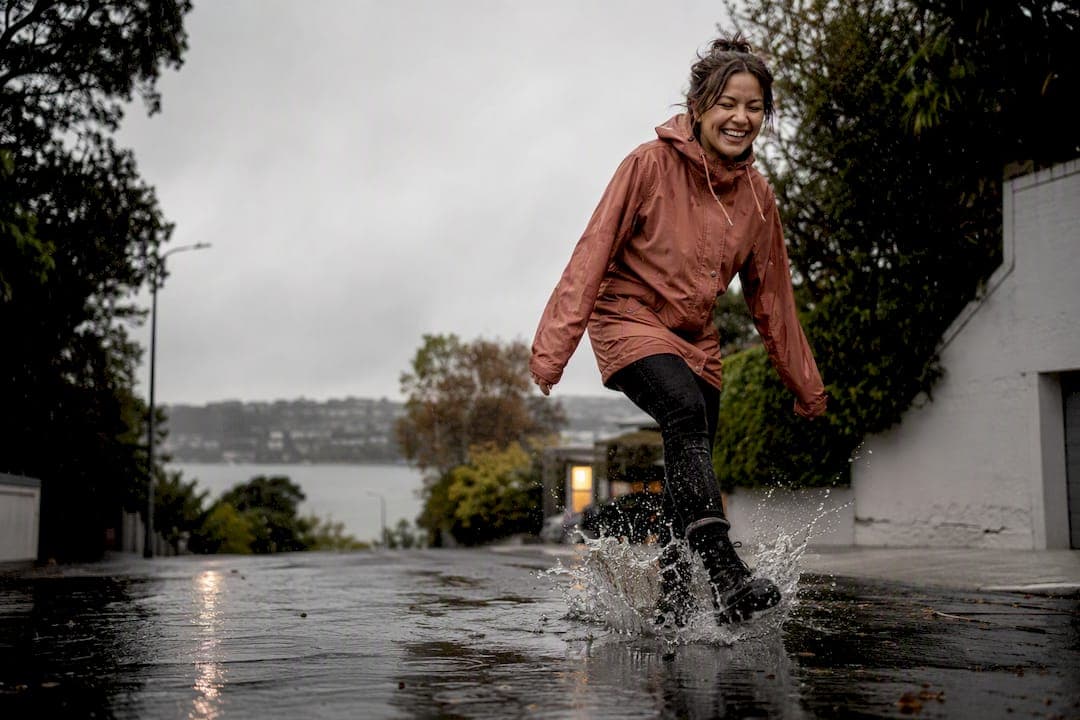
Rain does not ruin a photoshoot. It gives you soft, even light, natural reflections, and a mood that sunny days simply cannot produce. The most reliable shots to try first are umbrella portraits, puddle reflections, backlit rain against a dark background, window-side portraits, and motion shots that catch splashes or drops mid-fall. With the right kit protection, a rain cover from a place like Photo Warehouse and a bit of planning, a wet forecast becomes one of the better excuses to shoot.
TL;DR:
- Rain enhances photos by creating soft light, reflections, and mood that can be exploited with umbrella portraits, puddle reflections, and backlit rain shots.
- Using protective gear like rain covers, lens hoods, and packing microfiber cloths is essential for keeping equipment dry and functioning during a rainy shoot.
- Overcast conditions naturally diffuse light, allowing for wider apertures and balanced exposures, while backlighting makes rain drops more visible and dramatic.
- Rain scenes benefit from framing tighter, emphasizing reflections and mood, and deliberately using weather to tell emotional stories through composition.
- Planning for safety and backup locations is crucial, with wet-weather shoots often including indoor or covered options to ensure the session proceeds regardless of weather changes.
Table of Contents
- Rainy day photoshoot ideas you can run as quick mini-sets
- Protecting your gear during a rainy photoshoot
- Camera settings for overcast and rainy light
- How to light rain so it actually shows up in the photo
- Composition and props that suit wet weather
- Planning a rainy shoot safely
- Editing rain photos: contrast, colour, and visibility in post
- Using rain to tell a story, not just fill a frame
- How Life in Style Photography approaches a wet-weather session
- Book a rainy-day friendly session with Life in Style Photography
- Sources
- FAQ
Rainy day photoshoot ideas you can run as quick mini-sets
You do not need a studio or a long shot list to get something worth keeping on a wet day. These prompts are designed to be run in five to fifteen minutes each, so you can string a few together into a proper session or use one to salvage a shoot when the sky turns grey without warning.
Portraits
- Umbrella over the shoulder, subject looking back over one arm, shot from slightly below to keep the umbrella framing the face.
- Clear umbrella held directly overhead, camera shooting up through it so raindrops sit between lens and subject.
- Subject pressed against a shopfront awning, half in shadow, half lit by the wet street behind them.
- Two people sharing one umbrella, foreheads close, shot at f/2 for a soft background.
- Solo portrait under a bus shelter, shot through the glass for a layered, reflective effect.
- Hood up, hands in pockets, walking toward camera on a wet footpath, slight motion blur in the background.
Streets and night
- Neon signage reflected in a puddle, subject standing just outside the reflection so colour bleeds around them.
- Car headlights backlighting a walking subject from behind, drops catching the beam.
- Wet asphalt shot low and wide to stretch city lights into long reflected streaks.
- Subject silhouetted in a doorway against a rain-streaked street beyond.
Close-ups and macro
- Water beads on a jacket sleeve, shot at a wide aperture with a 50mm or macro lens.
- Raindrops clinging to a spiderweb or leaf, backlit by a torch or off-camera flash.
- Fogged-up car window with a fingertip drawn shape, subject blurred behind the glass.
- Boots stepping into a puddle, frozen at a fast shutter speed.
Movement
- A splash caught mid-air as someone jumps into a puddle, shutter speed above 1/500s.
- Umbrella flipped inside-out by wind, shot as a candid, imperfect moment.
- Hair flick under an umbrella, water flying off in an arc.
- Running toward shelter, deliberate motion blur at 1/30s with the camera panned.
Mixed indoor and outdoor
- Subject framed inside, shot through a rain-covered window from outside, looking in.
- Café table by the window, hands around a coffee cup, rain streaking the glass behind.
- Doorway shot, one foot in and one foot out, half lit by interior light and half by grey daylight.
Pro Tip: Keep a plain clear umbrella and a spare towel in your kit bag at all times. The clear umbrella works as a prop, a diffuser, and a rain shield for your lens all in one, and it photographs far better than a solid black one.
Protecting your gear during a rainy photoshoot
You cannot chase creative ideas if your camera is dead by the second setup. Seam-sealed ThinkTank emergency rain covers are sold through Photo Warehouse and give you an oversized viewing window so you can still operate dials and the LCD while the body stays dry. Kingsize Studios is another New Zealand retailer worth checking for lens hoods, microfibre cloths, and weatherproofing accessories if you shoot regularly in changeable conditions.
- Use a lens hood at all times. It stops drops landing directly on the front element and saves you constant wiping.
- Carry two or three microfibre cloths, since a wet one is useless after the first wipe.
- A cheap JJC waterproof cover works as a lightweight backup for lighter drizzle when a full cover feels like overkill.
- Pack silica gel packs and a couple of plastic bags to seal gear the moment you finish shooting.
- Angle flashes and strobes downward or under an umbrella between shots rather than leaving them face-up to the sky.
Pro Tip: At the end of a wet session, open every zip and compartment on your bag before you pack the car. Trapped moisture does more damage overnight than the rain did during the shoot.
Camera settings for overcast and rainy light
Overcast skies work like a giant natural softbox, spreading light evenly and removing the harsh shadows that direct sun causes on a face. That is worth leaning into rather than fighting.
- Aperture: f/1.8 to f/2.8 for single portraits, f/4 to f/5.6 when shooting groups, following the common ranges photographers use in overcast conditions.
- Shutter speed: A fast shutter speed to freeze individual drops mid-air; slower shutter speeds on a tripod can render rain as light streaks instead.
- ISO: start at a moderate level and increase as light drops further, adjusting based on your camera's noise performance.
- Autofocus: single-point AF on the eyes works well in flat light; switch to manual focus if rain on the lens keeps hunting the autofocus.
- White balance: use the Cloudy preset or dial in 6500K to 7000K manually to avoid the blue cast overcast light can add.
- Meter slightly darker than usual on wet pavement and puddles. Reflective surfaces trick your camera into underexposing the subject.
For more on balancing aperture and ISO in flat light, our guide to natural light portrait setups covers the trade-offs in more depth.
How to light rain so it actually shows up in the photo
Rain is close to invisible unless you light it deliberately. Backlighting is the single most reliable technique, whether that light comes from a streetlight, a car's headlights, or an off-camera flash placed behind or to the side of your subject.
- Position your light source behind the subject so drops catch the beam and sparkle against a darker background.
- Match your flash's direction and colour temperature to the ambient light. A flash that fights the existing light is what makes rain-lit photos look artificial rather than atmospheric.
- Dial flash power down with negative exposure compensation for a subtle rim or hair light rather than a blown-out subject.
- Combine a slower shutter with a burst of flash: the trade-offs between flash and continuous light are key to producing a cinematic, layered result where the rain is both streaked and frozen.
- Add a gel to your flash for a cooler or warmer tone if you want the rain to pick up colour rather than reading as plain white streaks.
- Keep any flash or strobe under an umbrella or in a rain guard between shots. Electronics and open rain do not mix.
Pro Tip: If you don't own off-camera flash, a car with its headlights on works as a surprisingly effective backlight for rain. Park it a few metres behind your subject and shoot toward the beam.
Composition and props that suit wet weather
Wet surfaces are ready-made reflectors, so puddles and shiny asphalt deserve to be treated as compositional tools rather than obstacles to step around.
- Shoot low, close to a puddle, to capture a mirrored subject and double the visual interest in one frame.
- Look for symmetry between the subject and its reflection, then centre the horizon line to emphasise it.
- A clear umbrella, a bright yellow raincoat, or gumboots all add a pop of colour against a muted grey sky.
- Keep a spare towel and dry socks on hand. A comfortable subject holds a natural expression far longer than a cold, wet one.
- Consider black and white or a low-key edit when the palette is flat grey. Removing colour often strengthens mood shots that would otherwise look washed out.
Planning a rainy shoot safely
A great rain shoot depends on judgement calls made before anyone gets wet.
- Check hourly forecasts and rain radar rather than the daily summary. Light drizzle and a downpour need very different plans.
- Cancel or reschedule if there is lightning forecast, or if flooding or surface water makes footing unsafe.
- Watch wind speed. A gust that turns an umbrella inside out can also topple a tripod holding a camera.
- Bring a covered fallback location, whether that is a shop awning, a car, or an indoor studio option, in case conditions worsen mid-session.
- Pack towels and a change of layers for clients, and keep studio strobes and power cables well clear of standing water.
This kind of rain-shoot workflow is worth building into your standard pre-session checklist, not just something you improvise on the day.
Editing rain photos: contrast, colour, and visibility in post
Rain that looked dramatic through the viewfinder can vanish completely once you open the file. Raw files from overcast days often look flatter than they felt in person, and the first job in editing is usually restoring contrast without crushing the shadows.
Pull the blacks down slightly and add a touch of clarity or texture to the midtones. This helps individual drops on jackets, hair, and pavement read clearly instead of blending into a soft grey mush. If rain is barely visible in the frame, a small increase in contrast paired with a slight sharpening pass on the drop-heavy areas can bring it forward without looking processed.
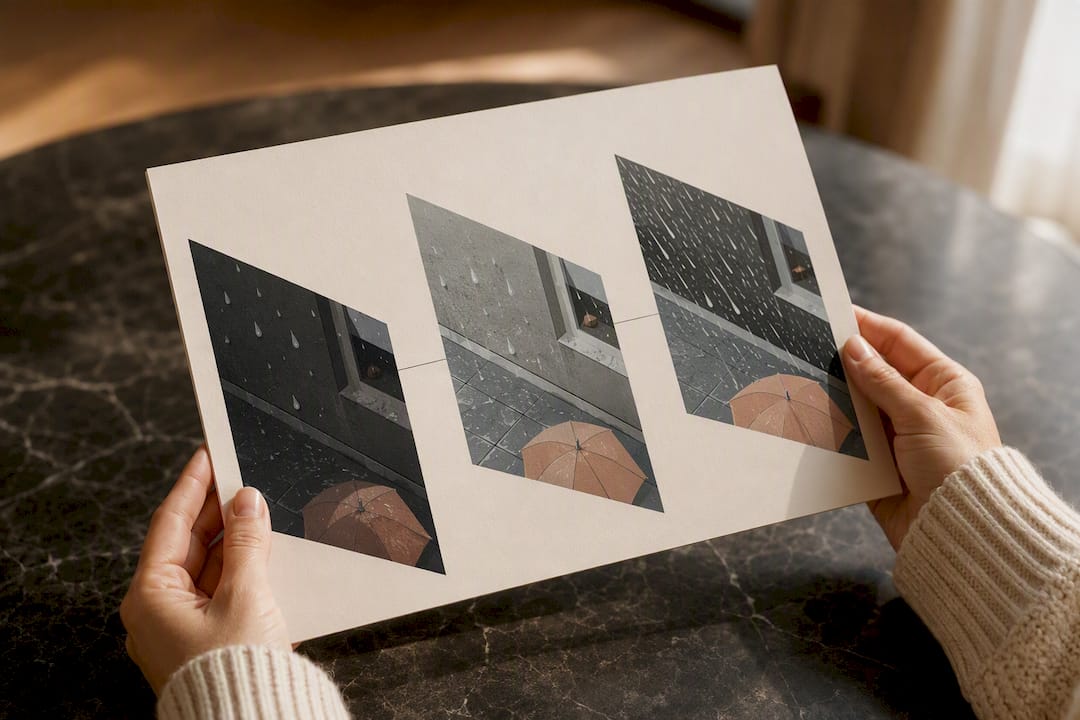
Colour temperature matters more on grey days than sunny ones, since there is no warm key light to anchor the white balance. Nudge the temperature slightly warm if skin tones look flat or bluish, and check that puddle reflections have not picked up an unwanted colour cast from nearby signage or clothing.
For streaked rain shots captured at slower shutter speeds, a subtle dehaze or clarity boost on the background often makes the streaks pop against the darker tones behind the subject. Avoid overdoing saturation. Rain photography tends to read as more authentic with slightly desaturated, moody tones than with punchy, oversaturated colour. A gentle S curve on the tone graph, combined with a vignette, usually does more to sell the mood than any single slider pushed too far.
Using rain to tell a story, not just fill a frame
The best rainy day photos are not really about rain. They use it to say something about the subject, whether that is intimacy under a shared umbrella, solitude on an empty wet street, or resilience in someone walking through it unbothered.
Think about what emotion the weather is actually reinforcing before you shoot. A couple huddled close under one umbrella tells a warmer story than the same couple standing apart with two umbrellas. A single figure walking away down a rain-streaked street reads as melancholy or reflective, while the same figure laughing and splashing through puddles reads as playful. The framing, the distance from the camera, and whether the subject looks toward or away from the lens all shift which story the image tells.
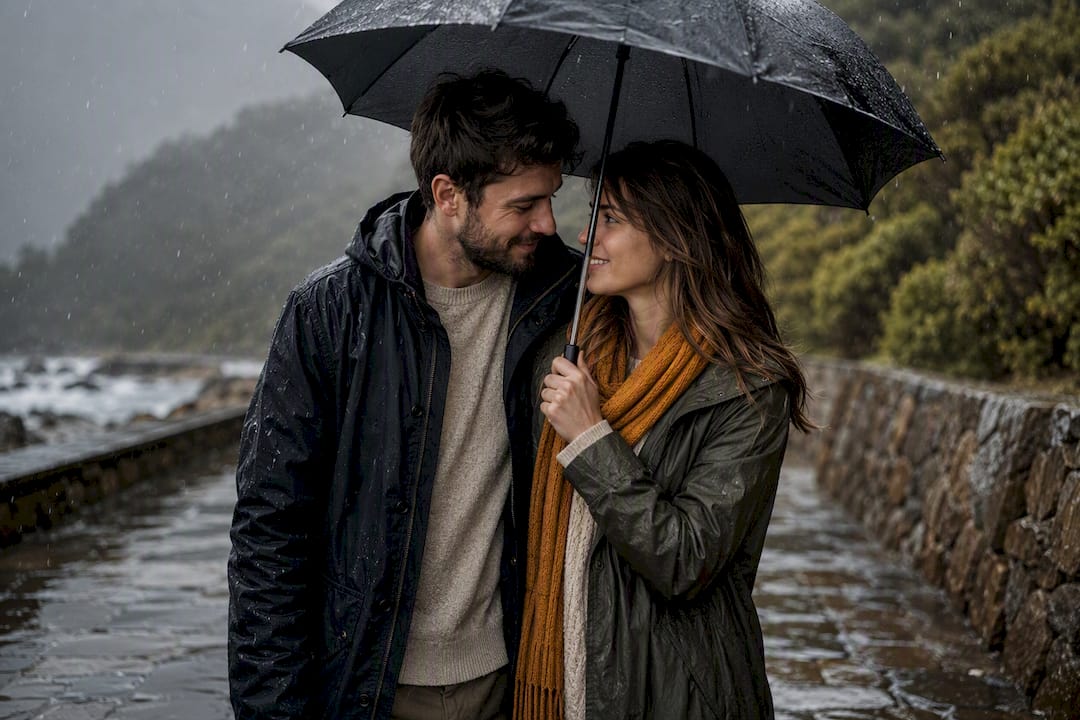
Rain also compresses a scene. Reduced visibility, muted colours, and reflections narrow the viewer's focus onto fewer elements, which is exactly why so many rain photographs feel more intimate than the equivalent shot on a clear day. Use that compression deliberately. Frame tighter than you normally would, let the background blur into soft grey, and let the one or two sharp elements in the frame carry the entire emotional weight of the image.
How Life in Style Photography approaches a wet-weather session
We treat a forecast of rain as a shift in plan, not a reason to cancel. A typical wet-weather booking starts with a quick brief on the day, checking what the client is comfortable with, then moving through two short setups such as an umbrella portrait and a puddle reflection shot before retreating somewhere covered to dry off and reset. Keeping clients relaxed and warm matters more than chasing every idea on a list.
— Rowan Freeman
Book a rainy-day friendly session with Life in Style Photography
A rain forecast does not need to cancel your booking. Life in Style Photography plans every outdoor session with a wet-weather backup built in, whether that is a nearby covered location or a straight swap to studio-style portraits, so couples, expecting parents, and individuals booking a personal branding session never lose the date over a grey sky.

Couples sessions handle rain particularly well, since umbrella portraits and reflection shots tend to produce some of the most striking images in a gallery rather than the weakest ones. The Full Session is our most booked couples package, and it includes a weather conversation up front so you know exactly what the plan looks like if the day turns wet. Maternity and baby sessions can shift indoors just as easily, with the Maternity and Baby Photography page outlining what a shorter, comfort-first session looks like. If you would rather see the kind of imagery a wet or overcast session can produce before booking, the portfolio is the fastest way to check the style fits what you have in mind. Get in touch with your preferred date and we will talk you through the rain plan before you book.
Sources
- Outdoor portrait camera settings — PhotoWorkout
- Transforming rainy day photos with creative lighting — Fstoppers
FAQ
What are some good photo ideas for rainy weather?
Umbrella portraits, puddle reflections, backlit rain against a dark background, and window-side shots all work well, along with motion shots of splashes or footsteps in puddles.
How do you shoot on a rainy day?
Protect your gear with a rain cover, backlight the rain so it is visible, and use a wide aperture with a moderate ISO to compensate for the lower light.
What do photographers do when it rains?
Most either adapt outdoor sessions with umbrellas and shelter, or move to a covered or indoor location. Life in Style Photography builds a wet-weather backup into every outdoor booking so the session goes ahead regardless of forecast.
Is a rainy day good for photography?
Yes. Overcast skies diffuse light evenly and remove harsh shadows, which flatters portraits, while rain itself adds reflections, mood, and texture that sunny days cannot produce.