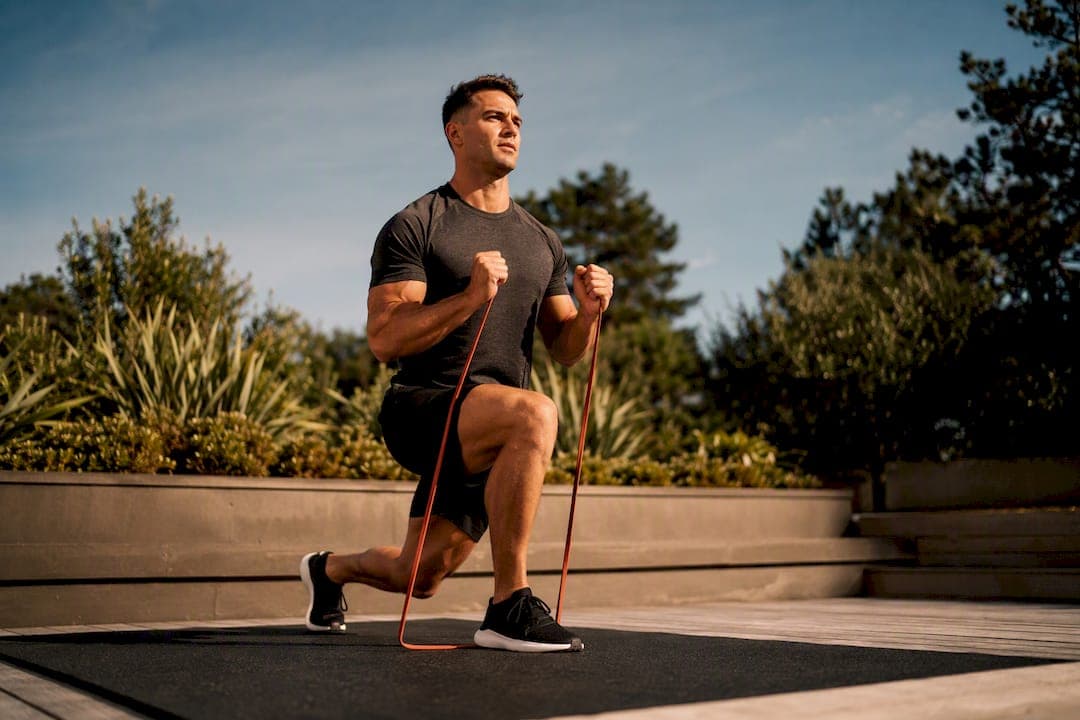
Pick one strong visual theme, prepare three outfits, and hand your photographer a 10-shot brief. That single combination reliably produces a gallery you'll actually use, from an on-brand set of images to a genuinely relaxed shoot day. Life in Style Photography leans on exactly this approach with clients across Auckland, and it works whether you've modelled before or you've never stood in front of a camera on purpose.
TL;DR:
- A clear theme simplifies decision-making around props, poses, and locations, leading to more intentional and usable fitness images.
- Active direction during shoots produces sharper, more natural results than relying on posed or Pinterest-inspired positions.
- Solid, matte-finish, form-fitting clothing in neutral colors enhances body lines and reduces light bounce, boosting photo quality.
- Consistent hydration, sleep, and pose practice over 7 to 10 days improve muscle definition and natural expressions for the shoot.
- Expert fitness photographers excel at capturing movement and action, offering faster turnaround and better technical handling of sweat and muscle.
Table of Contents
- Fitness photoshoot ideas worth building your shoot around
- Posing fundamentals and a pose bank you can practise
- Outfit and styling guide for camera-ready fitness looks
- Shoot-day prep checklist: 7 to 10 days out, then the final 24 hours
- Lighting, timing and quick direction notes to ask your photographer
- A copyable shot-list template and how to brief the photographer
- How Life in Style Photography runs a fitness shoot
- Post-shoot considerations: photo selection, editing preferences and usage rights
- Selecting the right photographer or collaborating with one who specialises in fitness shoots
- How to communicate your vision and goals effectively with the photographer
- Story and emotion over perfection
- Ready to book your fitness photoshoot
- Sources
Fitness photoshoot ideas worth building your shoot around
The best fitness photoshoot ideas share one trait: they give you a reason for every prop, pose, and location choice before you arrive. Vague briefs produce vague photos. A theme forces decisions that make everything downstream easier.
- Industrial gym editorial. Chalk dust, exposed steel, and hard studio light suit a strength narrative. Go for a low, wide stance with your weight through your heels; light it with a single rim light from behind to carve out your shoulders.
- CrossFit grit. Sweat, rope, and a barbell mid-lift tell their own story. Catch the moment just after a rep, not during it, for a sharper face and cleaner form.
- Boxing ring drama. Ropes and shadow create instant tension. A three-quarter stance with wrapped hands raised photographs stronger than a straight-on pose.
- Yoga flow in a park. Soft grass and morning light suit slower, held poses like a supported backbend. Shoot into the light slightly for a natural halo effect.
- Golden-hour beach run. Backlighting turns spray and sand into texture. Mid-stride action shots work better than posed stances here.
- Pool or lap lifestyle. Water adds movement without effort on your part. A relaxed arm-over-the-edge pose reads as confident rather than staged.
- Minimal studio set. A plain backdrop and one key light suit close, detail-driven images, ideal if you're not chasing an outdoor location.
- Partner workout. Two people spotting each other or mid-high-five creates natural expression, which beats almost any posed smile.
- Sport-specific action. Netball, rugby, or climbing gear roots the shoot in what you actually do, not a generic gym look.
- Urban stair sprints. Concrete steps give you leading lines and a built-in sense of motion, even in a still frame.
- Weighted strength portrait. A single kettlebell or plate held at chest height photographs cleanly and doesn't need a full gym setup.
Smaller budgets suit the minimal studio set, urban stairs, or a local park; all three need little more than good light and one confident subject. Booking a themed venue such as an industrial gym or boxing ring adds visual variety but costs more, so weigh that against a free outdoor location if budget is tight.
Posing fundamentals and a pose bank you can practise
Good fitness poses come down to four things: posture, tension, weight shift, and where your chin sits relative to the lens. Stand tall through the crown of your head, engage your core lightly rather than sucking in your stomach, and shift most of your weight onto your back foot to create a natural lean. Drop your chin a touch when the camera is above eye level; lift it slightly when shooting from below.
Work through these by goal:
- Strength: flexed bicep at three-quarter angle, mid-lift barbell hold, plank with head turned to camera, deadlift set-up, seated bench pose with forearms on knees.
- Movement: mid-jump rope skip, running stride caught off-balance, medicine ball throw follow-through, box jump landing, resistance band pull.
- Lifestyle: water bottle sip between sets, tying shoelaces, walking away from camera, stretching against a wall, laughing mid-conversation with a partner.
- Close-up: hands wrapping tape, chalk dust mid-clap, sweat on the brow, focused pre-lift stare, post-workout exhale.
Pro Tip: Do a light two-minute warm-up set before each new pose, then take three slow breaths before the shutter fires. It settles your face and stops the “posed” stiffness that ruins otherwise good shots.
Photographers who work regularly with non-model clients know that directing each pose actively, rather than assuming the subject knows what to do, produces sharper, more original results than leaning on borrowed Pinterest poses.
Outfit and styling guide for camera-ready fitness looks
Fit matters more than brand. Form-fitting gym wear reads cleanly on camera because it shows the lines of your body; loose layers work for lifestyle or warm-up shots but tend to swallow definition in strength portraits.
- Choose solid colours over busy patterns, which pull focus away from your face and physique.
- Stick to fabrics with a slight matte finish; high-shine activewear can bounce light awkwardly under strobes.
- Bring several outfit changes: one athletic set, one casual layered look, one polished piece for a closing shot.
- Prep skin the night before with a light exfoliation, and time any haircut at least three days out so it settles.
- Keep makeup minimal; a touch of bronzer and a matte setting powder handle shine better than heavy coverage.
A focused outfit strategy with two or three changes consistently produces more usable images than turning up with five near-identical sets.
Shoot-day prep checklist: 7 to 10 days out, then the final 24 hours
A fitness photoshoot rewards the same discipline as a competition prep, just on a smaller scale.
- Days 7 to 10: Hydrate consistently, keep sleep regular, and stick to your normal training split rather than adding sudden extra sessions.
- Days 3 to 4: Practise your pose bank for 10 to 15 minutes a day so movements feel natural, not memorised.
- The day before: Exfoliate skin gently, get any grooming or trims done, and avoid high-sodium meals that cause puffiness overnight.
- Morning of: Do a light carb-timed meal rather than fasting, and do a short pump set 20 to 40 minutes before the shoot starts.
- Pack: spare outfits, kinesiology tape, a small hair kit, snacks, water, and a portable resistance band or light dumbbell for warm-ups between setups.
An 8 to 12 week preparation window gives your training and diet time to show real change, but even a tighter one to two week runway benefits hugely from this same checklist. Our own fitness photoshoot preparation guide covers the wardrobe and warm-up side in more depth if you want a fuller breakdown.
Lighting, timing and quick direction notes to ask your photographer
Golden hour, roughly an hour either side of sunrise or sunset, gives soft, warm light that suits lifestyle and outdoor themes. Clean studio strobes suit a controlled, editorial strength look with sharp contrast. Hard directional light, whether from a bare bulb or midday sun, creates dramatic shadow that works for boxing or grit-focused concepts.
Simple phrases to use with your photographer:
- "Can we add a rim light behind me for separation?"
- "I'd like this frame high-contrast and moody, not soft."
- "Let's keep the fill light diffused here for a gentler look."
Ask to shoot warm-up frames first, move into action sequences once you're loose, and close with relaxed, natural selects; that pacing matches how muscles and energy actually peak through a session.
A copyable shot-list template and how to brief the photographer
A tight shot list beats a vague mood in every case. Try this as your baseline:
- Hero wide shot, full theme visible
- Mid-action strength or movement frame
- Detail shot: hands or grip
- Detail shot: feet or footwear
- Close-up expression, mid-effort
- Close-up expression, relaxed
- Partner or group interaction frame (if applicable)
- Lifestyle in-between moment (tying laces, sipping water)
- Gear or equipment detail
- Closing polished portrait
Tag each line with the outfit number, a one-word mood (grounded, playful, intense), and a star for must-haves. A prioritised shot list with three must-have frames and seven supporting ones ensures you leave with hero images and enough supporting content for social or portfolio use. Sharing a simple mood board alongside this list gives your photographer the fastest possible read on what you're after.
How Life in Style Photography runs a fitness shoot
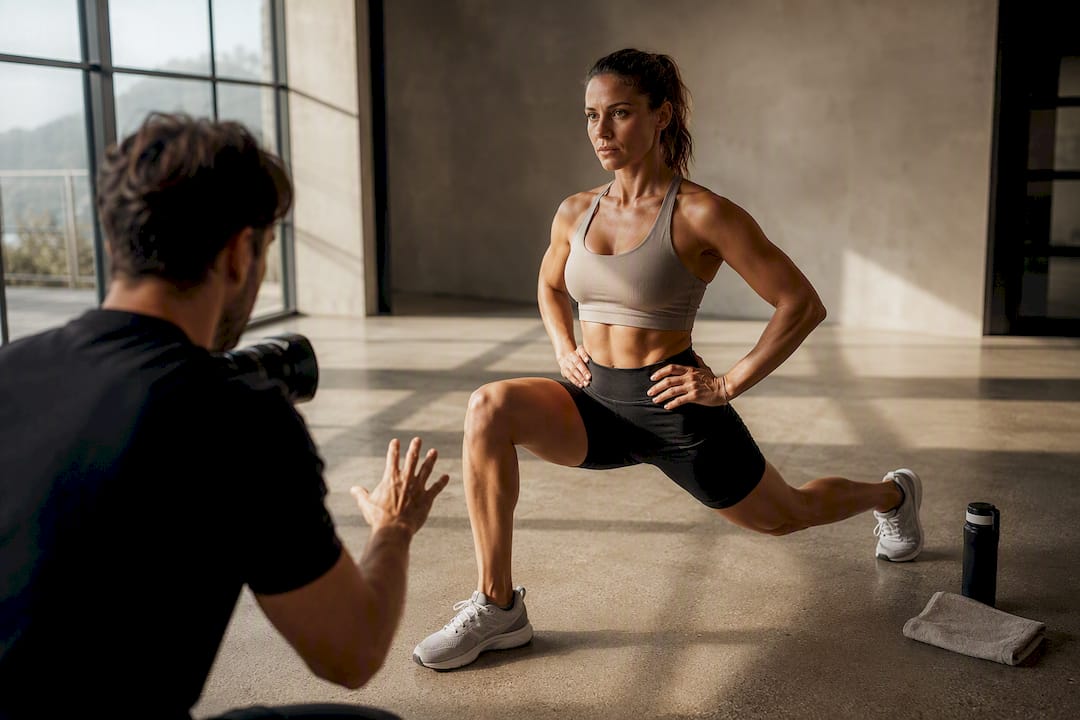
Our sessions lean on active, ongoing direction rather than expecting clients to strike gym-honed poses on command. Most of our fitness clients aren't models, so we talk through each frame as we shoot it, adjusting stance, breath, and expression in real time. You can see the results across our portfolio, where relaxed direction consistently produces natural, energised images rather than stiff, over-posed ones.
Post-shoot considerations: photo selection, editing preferences and usage rights
The shoot itself is only half the job. What happens after determines whether you actually use the images.
Most photographers deliver a gallery of edited selects, typically a fraction of the total frames captured, so ask upfront how many final images are included in your package and whether extras cost more. Selection matters more than people expect: choose images that show a range of expressions and angles rather than five near-identical hero shots, since a varied set serves social media, a website, and print differently.
Editing preferences are worth discussing before the shoot, not after. Do you want a natural, minimally retouched look, or a more polished editorial finish with skin smoothing and colour grading? Being specific here (“keep skin texture, just even out tone” versus “full retouch”) saves a frustrating back-and-forth once you've seen the first pass.
Usage rights matter just as much as the images themselves. Clarify whether you're getting personal use only, or rights to use images commercially, for a business page, advertising, or a coach's marketing material. Commercial use typically requires a different licence or fee than personal use, so raise this before booking rather than after the invoice.
Selecting the right photographer or collaborating with one who specialises in fitness shoots
Not every portrait photographer handles a fitness brief well. Fitness photography demands comfort with action, sweat, tight timelines between sets, and directing bodies in motion, skills a standard headshot photographer may not have practised.
Look for a portfolio with genuine fitness and athletic work, not just posed studio portraits relabelled for the category. Ask how they handle non-model clients: a photographer who talks through active, on-set coaching, rather than expecting you to arrive pose-ready, will get you better results if this is your first shoot. Check whether they offer location scouting, since a photographer familiar with good local gyms, parks, or industrial spaces saves you the legwork of finding one yourself.
It's also worth asking about turnaround time and how many images you'll receive, since fitness shoots often generate more usable frames than a standard portrait session simply because there's more movement to capture. A specialist fitness photographer will usually have quicker answers to technical questions about lighting sweat, movement blur, and muscle definition than a generalist will.
How to communicate your vision and goals effectively with the photographer
Vague requests produce vague photos. Before the shoot, define the emotional narrative you're going for, whether that's grounded strength, playful energy, or quiet discipline; this single decision simplifies almost every other choice your photographer makes about outfit, location and lighting.
Bring reference images, even rough ones from Instagram or Pinterest, and be specific about what you like in each: the pose, the lighting, the mood, or the crop. A short written brief covering your goals (portfolio, social content, a personal milestone) helps your photographer prioritise shots that actually serve your purpose rather than guessing.
Share your shot list and mood board ahead of the session, not on the day. That gives your photographer time to plan locations, lighting gear, and pacing, so the shoot itself runs smoothly instead of being figured out on the fly.
Story and emotion over perfection
Energy and narrative photograph better than an exaggerated “ideal” pose ever will. Chasing perfection stiffens a shoot; chasing a story loosens it. If you want a plan built around your goals, get in touch and we'll shape one together.
— Rowan Freeman
Ready to book your fitness photoshoot
Unlike a generic studio package, Life in Style Photography builds each fitness session around your theme, your outfits, and your shot list, so you're not paying for a cookie-cutter setup that doesn't fit your goals. Our packages include on-set direction, location scouting advice, and styling input, all aimed at getting you a gallery you'll actually use, not just a folder of similar-looking frames.
Browse our Fitness Photographer page for package details, or look through the full portfolio to see how different themes and locations translate into finished images. If you're weighing up how your photos might sit on a business page or personal brand afterward, it's worth seeing how other studios such as Mr Fitness present their work online for inspiration. Get in touch for a custom quote, and we'll help you settle on a theme, outfit plan, and shot list before booking day.
Sources
For deeper detail beyond this guide: LaMuscle's fitness photoshoot preparation article covers training and diet timing, Shutterbug's posing tips piece explains on-set direction, and Peerspace's venue ideas roundup covers themed location options.
- How to Get Ready for a Fitness Photoshoot — LaMuscle
- Fitness photography posing tips that will turn heads (Shutterbug)
- 12 Creative Fitness Photoshoot Ideas — Peerspace