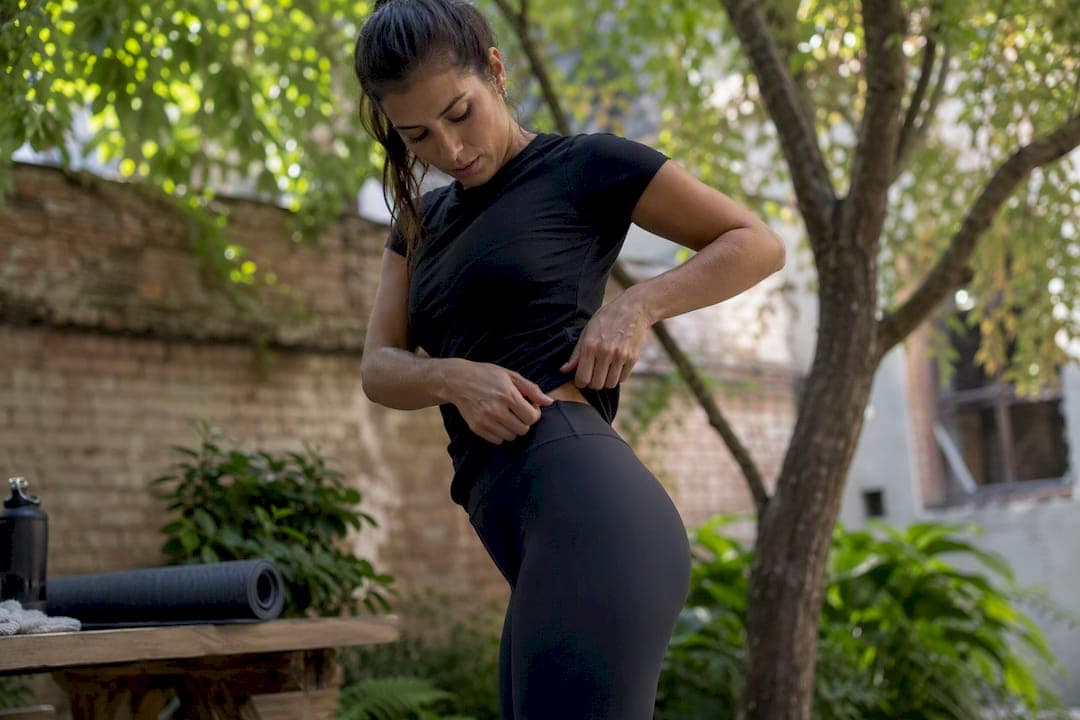
Do these things now and you will walk into your shoot ready: choose fitted, solid-coloured outfits rather than baggy or busy ones, practise three or four go-to poses in the mirror, follow a gentle grooming routine (no extreme measures), do a light pump before key shots, pack backups for everything, and send your photographer a written brief before the day.
- Wear fitted, solid-coloured clothing that photographs cleanly under any lighting
- Practise one or two hold-and-release poses daily for a week
- Exfoliate and moisturise skin in the days before, not the morning of
- Arrive slightly early, warmed up and hydrated
- Bring wardrobe and grooming backups plus a light snack
- Confirm your shot list and usage expectations with your photographer beforehand
A local team like Life in Style Photography can walk you through each of these steps during your consultation, so nothing is left to guesswork on the day.
Key Takeaways
Fitness photoshoot preparation works best when outfit choice, posing practice, grooming timing, and a written photographer brief are all sorted before shoot day, not on it.
| Point | Details |
|---|---|
| Outfit fit over brand | Choose fitted, solid-coloured activewear and test it with a phone photo under gym lighting first. |
| Practise poses daily | Spend 10 to 15 minutes a day on mirror and phone self-shoots to rehearse angles and transitions. |
| Time grooming correctly | Exfoliate through the week, trim hair days ahead, and book any spray tan 24 to 48 hours before. |
| Arrive warmed up | Turn up 15 to 20 minutes early, do a light pump routine, and eat something light beforehand. |
| Brief your photographer | Life in Style Photography uses your written brief, covering mood, must-have shots and usage, to direct posing and touch-ups on set. |
Table of Contents
- What should you wear for a fitness photoshoot?
- How do you pose for fitness photos?
- How should you prepare your skin and hair before the shoot?
- What is the ideal timeline for shoot day?
- What should you tell your photographer before the shoot?
- What should you pack for the shoot?
- A note from behind the camera
- Ready to book your fitness photoshoot?
- Sources
What should you wear for a fitness photoshoot?
Fit beats brand every time. A $40 gym set that sits close to the body will photograph better than a $200 hoodie that bunches at the waist or hides your shoulders. Fabric that moves with you, rather than against you, is what separates a photo that looks natural from one that looks stiff. Fit and solid colours photograph more consistently than loose clothing or busy prints, which is why most experienced fitness photographers steer clients away from oversized tees and toward compression fabrics, fitted leggings, and tailored activewear.
Colour matters almost as much as cut. Solids in mid to dark tones (charcoal, navy, forest green, black) hold up against both bright gym interiors and high-contrast outdoor backdrops. Busy prints and neon can distract from muscle definition and clash with studio lighting, unless you are deliberately going for a bold editorial look.
Think in layers. A singlet under an open jacket, or a fitted tee you remove between sets, gives you two or three distinct looks without a full outfit change, which keeps the shoot moving and adds visual variety to your gallery.
Footwear counts too. Flat training shoes or barefoot poses tend to read better than bulky runners, because they let your posture sit naturally through the hips and calves.
- Choose fitted activewear over anything loose or bunched
- Stick to solid, mid-to-dark tones unless a print is intentional
- Pack at least one layering piece for outfit variety
- Bring flat shoes or go barefoot for cleaner posture lines
Pro Tip: Before shoot day, stand in front of a mirror in your gym lighting (or a room with similar brightness) and take a phone photo of each outfit. If a colour washes out or a seam bunches on camera, you will see it now instead of on the day. Testing outfits under phone camera light before the shoot is one of the simplest ways to avoid surprises.
How do you pose for fitness photos?
Good fitness posing is about small adjustments, not dramatic ones. Turning your torso slightly off-axis, dropping one shoulder, or shifting weight onto a back leg reveals muscle lines that a square-on, flat pose flattens out. Twisting the torso even ten degrees from the camera is often the difference between a photo that looks tense and one that looks confident.
- Spend 10 to 15 minutes a day in front of a mirror practising two or three poses you plan to use on set
- Take phone self-shoots from a few angles so you can see what the camera sees, not just what the mirror shows
- Practise moving between poses slowly, so transitions look like natural motion rather than static snapshots stitched together
- Work on breathing. Exhale as you hit a pose, hold it, then release. Tension without control reads as stiffness on camera
- Build a short list of cues to give your photographer, such as "more shoulder down" or "chin slightly forward," so you can self-correct quickly between shots
Posing practice and mirror work in the days before a shoot genuinely reduces on-set anxiety, because you are not improvising in front of a camera for the first time.
Pro Tip: Practise your "resting" expression between poses as much as your poses themselves. A relaxed jaw and soft eyes look far more natural in a burst of shots than a held smile that starts to look forced by frame twenty.
How should you prepare your skin and hair before the shoot?
Grooming for a fitness shoot works on a weekly rhythm, not a same-day scramble. Exfoliate two to three times in the week leading up to the shoot to remove dead skin and even out texture, then moisturise nightly, with a final light application on shoot morning so skin looks hydrated rather than shiny or dry under studio lights.
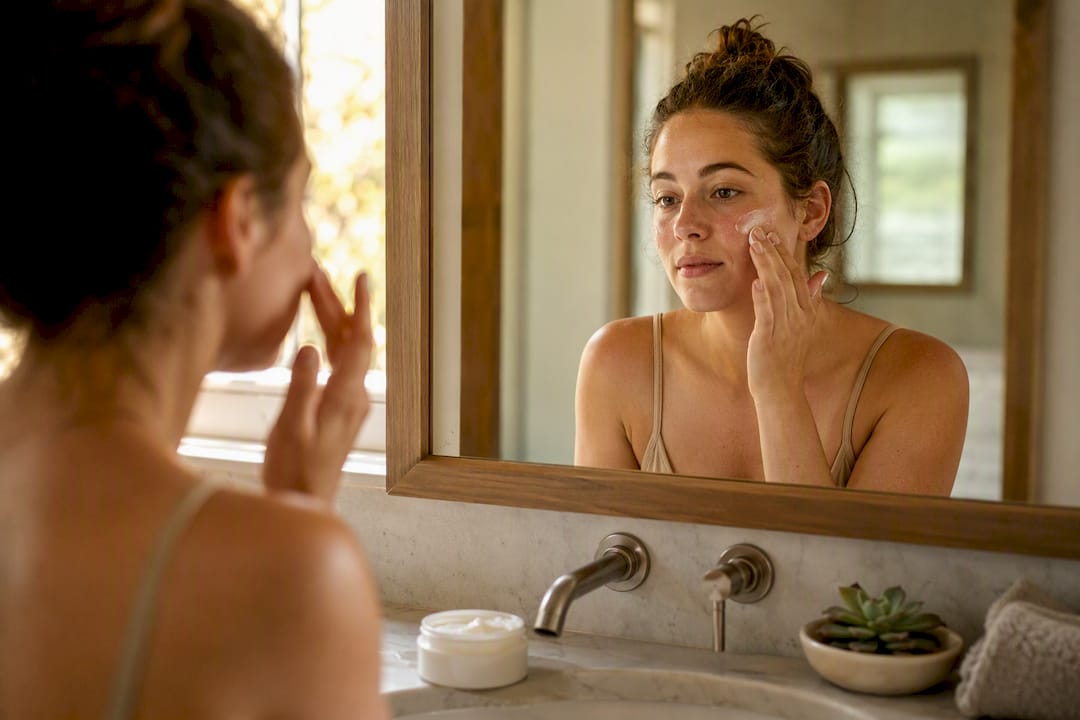
Hold off on dramatic haircuts or beard trims until at least four or five days before the shoot. A fresh trim on the morning of a shoot can look obviously new on camera, and any slip with clippers has no time to grow out.
If you are planning a spray tan, book it 24 to 48 hours before the shoot and patch test the product first. This gives colour time to settle evenly and gives you a chance to catch streaking before it matters. Avoid last-minute crash diets, extreme sodium cuts, or dehydration tactics some competitors use for peak week. These practices are not appropriate for a client-focused branding or fitness shoot, and photographers generally advise against them because they can leave skin looking dull rather than defined.
- Exfoliate two to three times in the week before the shoot
- Moisturise nightly, with a light top up on shoot morning
- Trim hair or facial hair four to five days out, never the morning of
- Patch test any spray tan and book it 24 to 48 hours ahead
- Keep nails neat and stray body hair trimmed
- Sleep well the two nights before to reduce under-eye puffiness
What is the ideal timeline for shoot day?
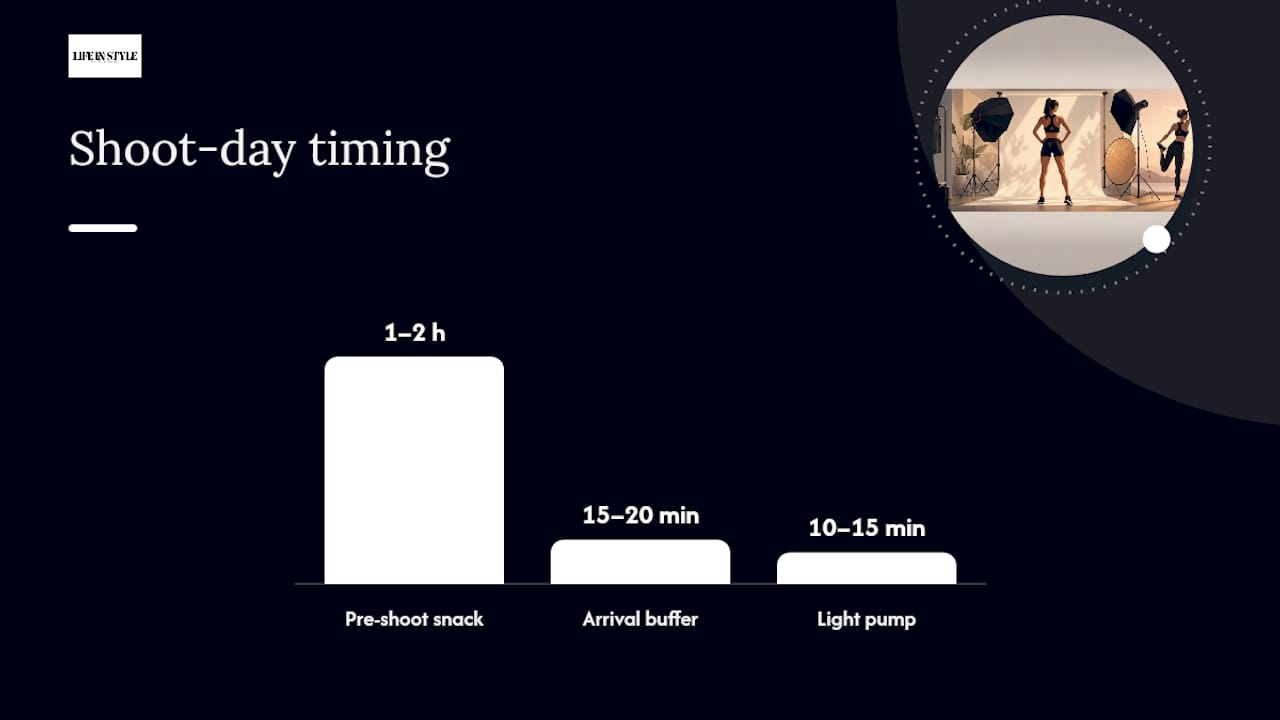
Arrive 15 to 20 minutes before your call time. This gives you room to check in, get changed, and settle your nerves before the camera comes out, rather than walking in flustered.
- Check in and confirm the shot list with your photographer before anything else
- Do a light pump routine 10 to 15 minutes before key poses. A resistance band set or two to three compound movement sets (push ups, bodyweight squats, banded rows) is usually enough
- Eat something light an hour or two beforehand. A banana, rice cakes, or a small serve of oats work well; skip anything heavy, salty, or carbonated that can cause bloating
- Sip water steadily rather than chugging a bottle right before the camera comes out
- Plan outfit changes around natural breaks, so touch ups do not eat into shooting time
Photographers consistently recommend a light pump routine, sensible snacking and slightly early arrival as the backbone of a smooth shoot day.
Pro Tip: Keep your pre-shoot snack the same as whatever you have eaten successfully before training sessions in the past. Shoot day is not the moment to test a new pre-workout meal.
What should you tell your photographer before the shoot?
A short written brief, sent before the day, saves time and avoids awkward guesswork on set. Sharing a goal, mood references, and a must-have shot list with your photographer means less explaining once you are standing in front of the camera and more time actually shooting.
- Objective: personal branding, social content, a competition portfolio, or a website refresh
- Mood references: two or three photos that capture the lighting, energy, or style you like
- Must-have shots: specific poses, angles, or settings you cannot leave without
- Wardrobe and prop notes: outfit changes, bands, or small weights you plan to use
- Usage expectations: whether images are for personal social media, paid advertising, or a broader portfolio
A clear brief means we are not guessing on the day. When a client tells us the mood they want and exactly which shots matter most, we can spend our time directing and adjusting rather than working things out from scratch. Camera-shy clients especially benefit from this, because it gives us something concrete to build the session around.
At Life in Style Photography, a relaxed, collaborative style is central to how sessions run, which tends to put even nervous first-timers at ease well before the first shot is taken.
What should you pack for the shoot?
A small kit solves most on-set problems before they slow anything down. Simple fixes like fashion tape, safety pins, and a stain remover pen cover the majority of wardrobe mishaps that come up during a session.
- Wardrobe backups: spare top, socks, and laces
- Fashion tape, safety pins, and a mini sewing kit
- Grooming kit: moisturiser, blotting papers, oil for sheen, comb, hair ties
- Props if relevant: resistance bands or small weights
- Phone charger, playlist ready to go, printed shot list and contract
- Stain remover pen and a small pack of tissues
A note from behind the camera
Preparation is not about being perfect. It is about giving yourself a small head start so nerves do not run the session. Every client I work with gets guided through poses, angles, and expression live on set, so nothing you have practised needs to be flawless beforehand.
If something worries you before the shoot, a lighting choice, an outfit, a pose you are unsure about, say so during booking rather than on the day. The checklist above covers the groundwork. The rest is a conversation.
— Rowan Freeman
Ready to book your fitness photoshoot?
Working through outfits, poses, and grooming on your own only gets you so far. Life in Style Photography turns that preparation into a guided session, with direction on poses and angles, on-the-spot touch ups between sets, and professional retouching once the shoot wraps, so the checklist above becomes something we work through together rather than something you have to nail solo.
Packages are built around what you actually need, from a single-look branding session to a full multi-outfit fitness shoot with props and set changes. Every booking includes a pre-shoot consultation, so your brief, mood references, and must-have shots are locked in well before you arrive. If you are ready to lock in a date, get in touch through the fitness photography services page to check availability and discuss which package suits your goals.
Sources
- fitness model tips photographer Alex Ardenti
- What to wear for gym photos: practical guide
- How to Get Ready for a Fitness Photoshoot
Recommended
- Auckland Fashion Photographer - Auckland Portrait, Branding & Wedding Photographer | Life in Style Photography
- 5 Tips to Look Your Best in Professional Headshots - Auckland Portrait, Branding & Wedding Photographer | Life in Style Photography
- Portfolio - Auckland Portrait, Branding & Wedding Photographer | Life in Style Photography