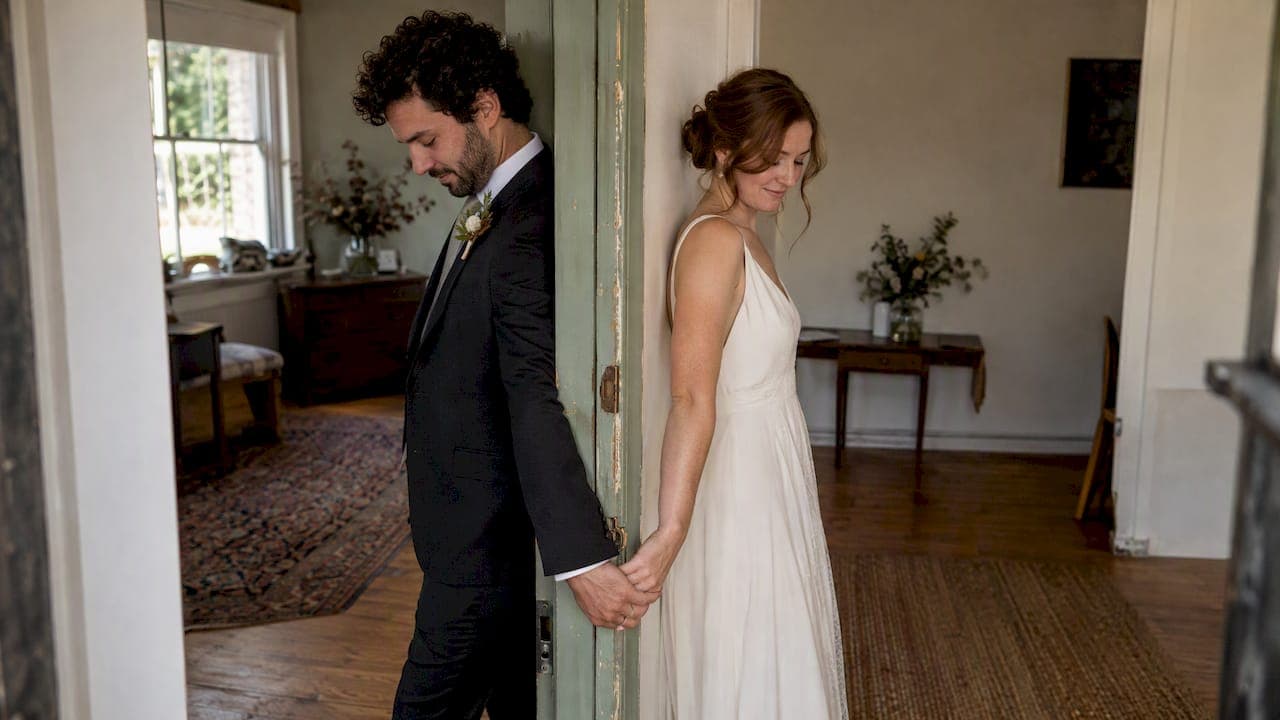
The most popular first look alternatives are the first touch, back-to-back private vows or letters, a blindfolded or false first look, audio-only messages, a family or bridal party first look, and a sunrise coffee moment. Each gives you a private, emotional pause before the ceremony while keeping your face-to-face reveal for the aisle. The sections below explain how each one works and how to plan it.
TL;DR:
- Schedule 5 to 10 minutes for a first touch or audio exchange, but reserve 15 to 90 minutes for formal portraits.
- Plan sunrise coffee 60 to 90 minutes before the ceremony and check the date’s sunrise, especially for winter weddings with later daylight.
- Tell your photographer which views may appear, such as hands or shoulders, and prohibit faces; use a doorway or screen and block foot traffic.
- Confirm your time block with the venue and celebrant, since vendor and venue bookings may need to be locked 12 to 18 months before the wedding.
Table of Contents
- What do first look alternatives actually look and feel like?
- How do you fit a first look alternative into your wedding day timeline?
- How do you photograph the moment without spoiling the aisle reveal?
- How do you personalise a private pre-ceremony moment?
- Why photographer planning matters for your pre-ceremony moment
- Choosing the alternative that fits you as a couple
- Let us help you capture your pre-ceremony moment
- FAQ
- Sources
What do first look alternatives actually look and feel like?
Each alternative trades the visual reveal for a different sense, which changes how the moment feels and how it photographs.
A first touch has you standing on either side of a door, curtain or corner, close enough to hold hands or press palms together without seeing one another. According to wedding planning guides, a first touch preserves the aisle reveal while still giving you a private physical connection, and it only takes a few minutes to set up and complete.
A back-to-back vow or letter exchange has you standing shoulder to shoulder or spine to spine, reading short notes aloud or silently. It suits couples who want words rather than touch to carry the emotion.
A blindfolded or false first look lets you face each other with a blindfold on, or stand near enough to sense each other's presence without actually looking. It gives a playful middle ground between full visual reveal and no visual contact at all.

Audio-only exchanges use a pre-recorded voice message or a whispered line passed through a door. They suit couples who feel more comfortable with voice than touch or written words.
A family or bridal party first look swaps the partner for parents, siblings or the wedding party, often done in matching or coordinated outfits before the main event. A sunrise coffee moment has you sharing a quiet drink together at first light, which works well for couples who want an entire private hour rather than a five-minute pause.
- A first touch: hands through a barn door, no faces seen, done in under five minutes.
- Back-to-back vows: shoulders touching, letters read aloud, three to five minutes.
- Blindfolded reveal: one partner blindfolded, walked into place by a coordinator.
- Audio message: a voice note played through a phone speaker or earbuds.
- Sunrise coffee: a flask and two cups on a quiet balcony before hair and makeup.
How do you fit a first look alternative into your wedding day timeline?
Timing is the part couples underestimate most. A first touch needs only a short buffer, while a sunrise coffee moment needs its own dedicated hour before the day's schedule properly begins.
- Block 5 to 10 minutes for a first touch or audio exchange, scheduled straight after hair and makeup finishes.
- Reserve 15 to 90 minutes if you're pairing the moment with a formal photo session, since photographers typically schedule first-look coverage in that range depending on location and travel time.
- Plan sunrise coffee moments before guest arrival, ideally 60 to 90 minutes ahead of the ceremony, so there's no rush back into preparations.
- Confirm the slot with your venue and celebrant in advance, since Auckland ceremony timelines recommend locking vendor and venue bookings 12 to 18 months ahead and building specific blocks into the run sheet.
- Brief your photographer and videographer on exactly what to capture and what to leave unseen.
- Arrange a quiet escort, someone who can walk you to the spot and keep guests or staff from wandering through.
- Check your dress and suit for movement risk, especially with trains, veils or boutonnieres, before you commit to an outdoor or breezy location.
Season and daylight matter too. A winter wedding with a late sunrise may push a coffee moment earlier than expected, so check sunrise times for your date and venue before locking the timeline.
How do you photograph the moment without spoiling the aisle reveal?
Good photography depends on clear instructions and smart staging, not just a skilled eye. Brief your photographer on which angles are allowed (hands, shoulders, backs) and which are off limits (faces, full-body reveals) so there's no ambiguity on the day.
- Use doorways, archways or garden screens to frame the moment, since photographers and videographers often recommend natural architecture for staging non-visual moments without revealing faces.
- Ask your photographer to mark the exact standing spot beforehand and assign someone to block foot traffic during the shot.
- Request a shot list focused on hands, textures and gestures rather than full faces, which keeps the surprise intact for the aisle.
- Schedule the photo session early enough that you still have full reception time with your guests afterwards.
Pro Tip: Ask your photographer to shoot from a slightly elevated or side angle through the architectural frame itself, a doorway or arch, so the image reads as editorial rather than a simple snapshot of two backs.
How do you personalise a private pre-ceremony moment?
Small scripted lines and sensory details turn a quiet pause into something you'll remember clearly years later.
- Start a first touch with a single line each, something like "I'm so glad it's you" or "last time as just us two."
- For back-to-back vows, keep letters short: professional vow guides suggest drafting early and practising aloud so the words land naturally rather than feeling read.
- Add a scent, your partner's favourite coffee, a particular flower, or a song playing quietly in the background to anchor the memory.
- Use sealed envelopes or cue cards for vows so neither of you reads ahead, preserving a genuine reaction.
- Decide early whether this moment stays just between the two of you or includes a parent or sibling for a family first look.
Why photographer planning matters for your pre-ceremony moment
Good staging comes down to timing and briefing, not luck. We typically schedule first-look style blocks in 15 to 90 minute windows, adjusting for travel, light and how many formal portraits you want alongside the private moment.
Before booking any photographer, ask these questions:
- How do you handle privacy during a first touch or back-to-back vow exchange?
- What's your backup plan if weather or venue access changes the timing?
- Can I see a sample gallery or shot list from a similar pre-ceremony moment?
- How does this fit into the overall wedding day timeline?
If you're also finalising a dress or gown for the day, bespoke dress timelines typically run six to eight months, which is worth factoring in alongside your photography bookings.
Choosing the alternative that fits you as a couple
Authenticity matters more than tradition here. The right alternative is the one that feels like you, not the one that photographs best on someone else's wedding day. Ask yourselves three questions: do we want touch, words or sound to carry the moment, do we want this private or shared with family, and how much time can we realistically protect before the ceremony begins. The honest answers usually point to the right choice.
— Rowan Freeman
Let us help you capture your pre-ceremony moment
Whichever alternative you choose, we build pre-ceremony coverage into our wedding photography packages, from The Ceremony Collection through to the full day collection, so the quiet moment before your vows gets the same care as the reception.
When you enquire, ask us about coverage length for your chosen pre-ceremony moment, how we handle privacy during the shot, and whether we can share a sample gallery from a similar setup.
- Tell us which alternative you're considering so we can plan the right time block.
- Ask about combining it with engagement or couples session coverage beforehand.
- Check our current availability for your date before confirming your run sheet.
Get in touch to check availability and start planning your wedding photography coverage around the moment that matters most to you.
FAQ
What is the most popular alternative to a traditional first look?
The first touch is one of the most commonly chosen alternatives, since it gives a brief, private physical connection without revealing faces before the ceremony. It takes only a few minutes to set up and suits couples who still want the full visual reveal saved for the aisle.
How long should we schedule for a pre-ceremony private moment?
A first touch or audio exchange usually needs only 5 to 10 minutes, while a formal photographed moment benefits from a longer 15 to 90 minute block depending on location and travel. Sunrise coffee moments need the most time, typically an hour or more before guest arrival.
Does skipping the first look make the ceremony more emotional?
Many celebrants suggest that a private pre-ceremony moment can reduce nerves and help couples feel more present during public vows, since some of the emotional release happens beforehand in private. Whether it increases emotion at the altar itself varies by couple and ceremony style.
How far in advance should we plan the timeline for this moment?
Booking vendors and venues 12 to 18 months ahead gives you room to fit a pre-ceremony moment into the day properly, as recommended in Auckland ceremony timeline guidance. Confirming the exact time block with your photographer and celebrant closer to the date keeps the schedule realistic.
Can our wedding photographer help us choose which alternative suits us?
Yes, a photographer experienced in pre-ceremony coverage can walk you through options based on your venue, light and personalities, and help you plan the surrounding timeline. Sharing your priorities, privacy, personalisation or simplicity, early helps them suggest the best fit.
Sources
- How to plan a first touch wedding
- A step-by-step timeline for planning your Auckland wedding ceremony
- The Pros and Cons of the First Look