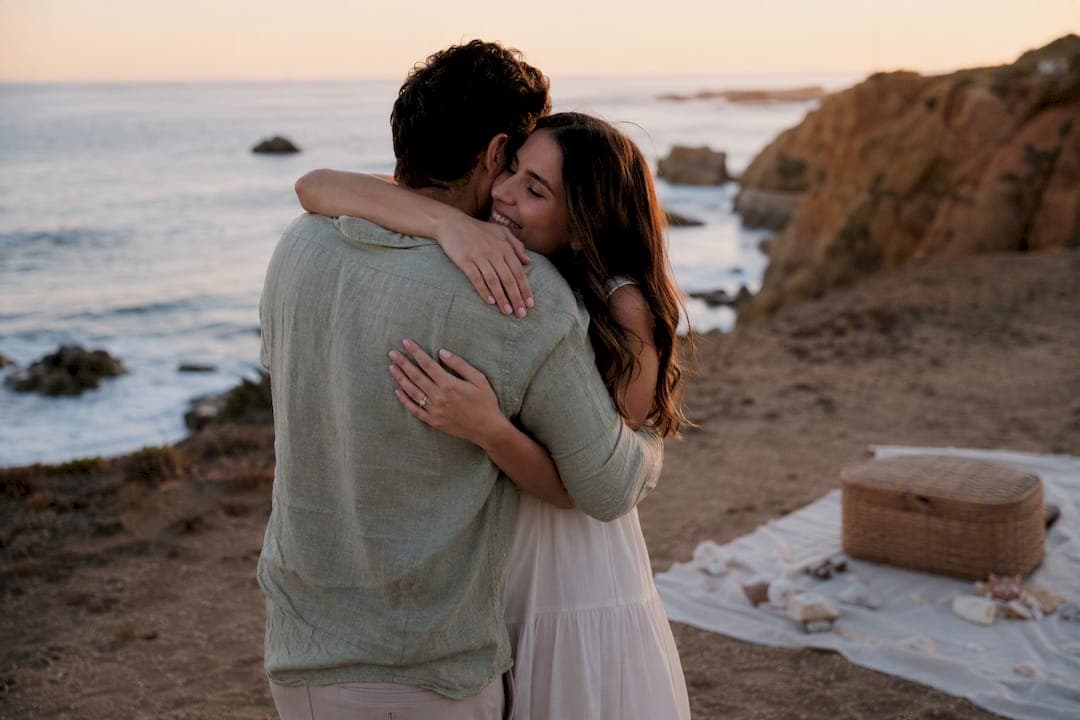
If you're planning a surprise proposal, the single most useful thing you can do is book an experienced proposal photographer and set aside 10 to 30 minutes after the "yes" for portraits. That short window is where you get the reaction shots, the ring close up, and a handful of genuinely relaxed photos of two people who are still buzzing.
Before the day itself, lock in the basics with your photographer:
- Confirm your cover story so it holds up under questioning from your partner
- Drop a map pin on the exact kneel spot and the approach path
- Agree on a private signal that means "the moment is close"
- Block out 10 to 30 minutes immediately afterwards for photos
Get those four things sorted and you're set up for the shots everyone actually wants: the kneel, the reaction, the ring macro, a wide frame that shows the location, and a quick sneak peek to share before the day is even over.
Key Takeaways
Booking a professional photographer and reserving 20 to 30 minutes for portraits after the proposal is what turns a fleeting moment into a lasting set of images.
| Point | Details |
|---|---|
| Lock in the essentials early | Confirm cover story, map pin, private signal, and a 10 to 30 minute post-proposal window before the day. |
| Match the package to the moment | Choose quick capture, mini engagement, or extended session based on how long you can realistically hold your partner there. |
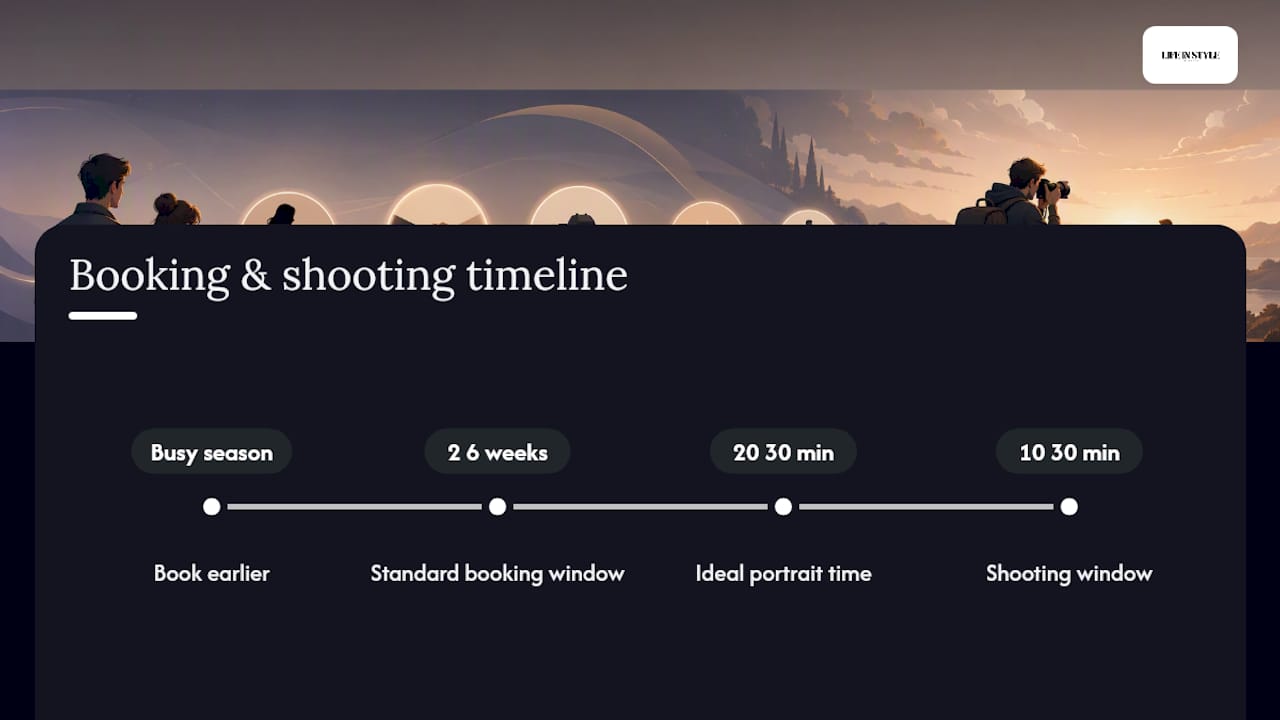
| Book two to six weeks ahead | Reserve earlier in peak seasons, since popular weekend slots and photographers fill fast. |
| Prioritise candid frames first | Get the kneel, reaction, ring macro, and wide environmental shot before any posed portraits. |
| Life in style Photography handles the coordination | The studio manages discreet positioning, signal planning, and full gallery delivery for couples booking proposal and engagement coverage. |
Table of Contents
- Choosing the right surprise proposal photos package
- How do you plan a surprise proposal with a photographer?
- How does a proposal photographer stay hidden?
- What's the best time of day for proposal photos?
- What photos should you get from a proposal shoot?
- How much do surprise proposal photos cost to book?
- Why work with Life in style Photography for your proposal
- How do you involve family or friends without giving it away?
- What if something goes wrong during the shoot?
- What conventional proposal advice gets wrong
- Book your surprise proposal photography with Life in style Photography
- Frequently asked questions
- Sources
Choosing the right surprise proposal photos package
Coverage length is the decision that shapes everything else, from cost to how many usable images you end up with. Most photographers offer three tiers, and the right one depends on how much your partner enjoys being photographed and how much time you can realistically hold after the proposal without raising suspicion.
- Quick capture (proposal plus 10 to 15 minutes): built for couples who want the moment documented but don't want a drawn out shoot. You get the essentials: the kneel, the reaction, the ring, a couple of embraces.
- Mini engagement session (20 to 30 minutes): the sweet spot for most couples. It gives the photographer time to move from candid to gently directed shots once the adrenaline settles.
- Extended session (45 minutes or more): worth it if you're combining the proposal with a location your partner has always wanted photographed, or if you want a proper set of engagement portraits without booking a second shoot later.
Before you pay a deposit, confirm delivery timing for the sneak peek, what's included in the full gallery, and whether print or social sharing rights come standard. Ask about overtime rates, travel fees outside the metro area, and how the studio handles privacy if you don't want images posted publicly. Life in style Photography's couples photography services lay these terms out clearly before you commit, which saves the awkward conversation after the fact.
How do you plan a surprise proposal with a photographer?
Coordination is what separates a proposal that looks effortless from one where your partner clocks the photographer from fifty metres. A strong plan protects the surprise: a workable location with natural cover, an exact kneel spot, and one clear signal for the moment.
Here's the sequence that works:
- Share a precise pin. Send your photographer the exact kneel spot and the path you'll walk in on, not just the general park or beach.
- Mark vantage points. Walk the location together (or via photos and video) and agree where the photographer will stand, including a backup spot.
- Set your signal. A text, a hand gesture, a specific word in conversation. Whatever it is, make it something you won't accidentally trigger early.
- Send recent photos and wardrobe notes. Your photographer needs to recognise you both instantly in a crowd, and dressing appropriately helps them blend into the scene.
- Plan your arrival timing and phone habits. Agree on when you'll arrive and whether your partner should have their phone away, since a stray notification can wreck months of planning.
Pro Tip: Pack a small kit for after the proposal, a hairbrush, lip balm, a tissue. The newly engaged partner often wants thirty seconds to freshen up before the portraits start, and it makes a visible difference in the photos.
How does a proposal photographer stay hidden?
Every experienced proposal photographer has a repertoire of disguises, and which one they use depends entirely on the location. Blending into the environment by dressing the part or having a plausible reason to be there keeps the moment private right up until it happens.
- The landscape tourist: a camera on a tripod pointed at scenery works almost anywhere with a view, since nobody questions a person photographing a sunset.
- The distant photographer: a long lens from thirty or more metres away, common on beaches or in open parks where there's nowhere closer to hide.
- The blended vendor: useful at markets, cafes, or events, where a person with a camera bag doesn't stand out among staff or other patrons.
Positioning matters as much as concealment. The proposer should angle slightly rather than stand square on, so both faces are visible to the camera at the critical second, not just a back and a shoulder. Once the ring is out and the answer's in, the photographer needs a clean route to close the distance. A prior-mapped exit and entry path lets them go from a concealed long lens to three or five metres away for portraits within about twenty seconds, before the emotional peak fades.
What's the best time of day for proposal photos?
Light and privacy usually pull in opposite directions, and picking the right time means weighing both.
- Golden hour gives you warm, flattering tones, but it's also when parks, beaches, and lookouts fill up with other people chasing the same light.
- Blue hour, the stretch just after sunset, offers a softer, cooler palette and noticeably fewer onlookers, which suits couples who value privacy over classic warmth.
- Midday isn't ideal for portraits, but if it's the only time that gets your partner to the right spot without suspicion, a photographer can work around harsh shadows with positioning.
Interestingly, golden hour's popularity can work against you: quieter mid-morning light sometimes produces more natural images simply because there's no crowd to navigate and the surprise stays airtight.
For evening or night proposals, talk to your photographer about a small continuous LED light, a portable flash, or existing decorative lighting at the venue. Always build in a weather and crowd contingency: a backup undercover spot, or shifting the time by thirty minutes if the original plan fills up with people.
Pro Tip: If your chosen spot has a covered alternative nearby, walk it with your photographer beforehand. A rehearsed backup takes the panic out of a sudden downpour.
What photos should you get from a proposal shoot?
A good shot list runs in a specific order, moving from wide context down to intimate detail. Photographers typically prioritise wide environmental frames first, then tighten in for reactions and ring detail, which preserves both the setting and the emotion.
- The approach, showing the location and the walk in
- The kneel, ideally from two angles if a second photographer or angle is available
- The immediate reaction, captured in close up before anyone composes their face
- The embrace right after the answer
- A macro shot of the ring on the hand
- A wide environmental frame that places the couple in the location
- A short series of natural portraits once the moment settles
That last item is why the post-proposal window matters so much. Building 20 to 30 minutes into the plan for portraits immediately after the proposal captures the genuine excitement that fades fast, and it's the difference between a handful of usable frames and a proper set you'll actually want to print. Ask candid shots to come first, with gentle direction only once the adrenaline settles, and request full galleries rather than a highlights reel so you can judge how a photographer handles those in-between moments.
How much do surprise proposal photos cost to book?
Lead time affects both your options and your price. Photographers generally recommend booking two to six weeks ahead, earlier still if you're proposing during a popular season like spring or over the summer holidays, when weekend slots disappear fast.
A few things push the price up:
- Travel distance, especially if your chosen spot is well outside the photographer's usual coverage area
- Low-light gear, needed for evening or indoor proposals
- Overtime, if the celebration runs longer than the booked window
- Coordination through a proposal-planning agency, which typically costs more than booking a photographer directly
Before you pay a deposit, get clear answers on cancellation terms, how quickly the sneak peek gallery arrives (usually within 24 to 48 hours), and whether extra privacy arrangements carry a fee. Life in style Photography's photography packages page sets these terms out up front, so there's nothing to renegotiate after you've already booked the date.
Why work with Life in style Photography for your proposal
Behind this guide is Rowan Freeman and the team at Life in style Photography, who bring a relaxed, people-first approach to genuinely nerve-wracking moments like a surprise proposal.
- The studio manages the planning conversation with you, from signal to backup spot, well before the day arrives
- Coverage includes discreet positioning, a quick sneak peek delivery, and a full gallery once editing is complete
- Browse real examples on the couples portfolio to see how candid reactions translate into finished images
- To get a quote, share your date, location, cover story, and a couple of recent phone photos of you both
How do you involve family or friends without giving it away?
Bringing loved ones into a surprise proposal adds a layer of celebration, but it also multiplies the risk of a slip. The safest approach is compartmentalising information: tell people only what they need to know for their specific role, and nothing more.
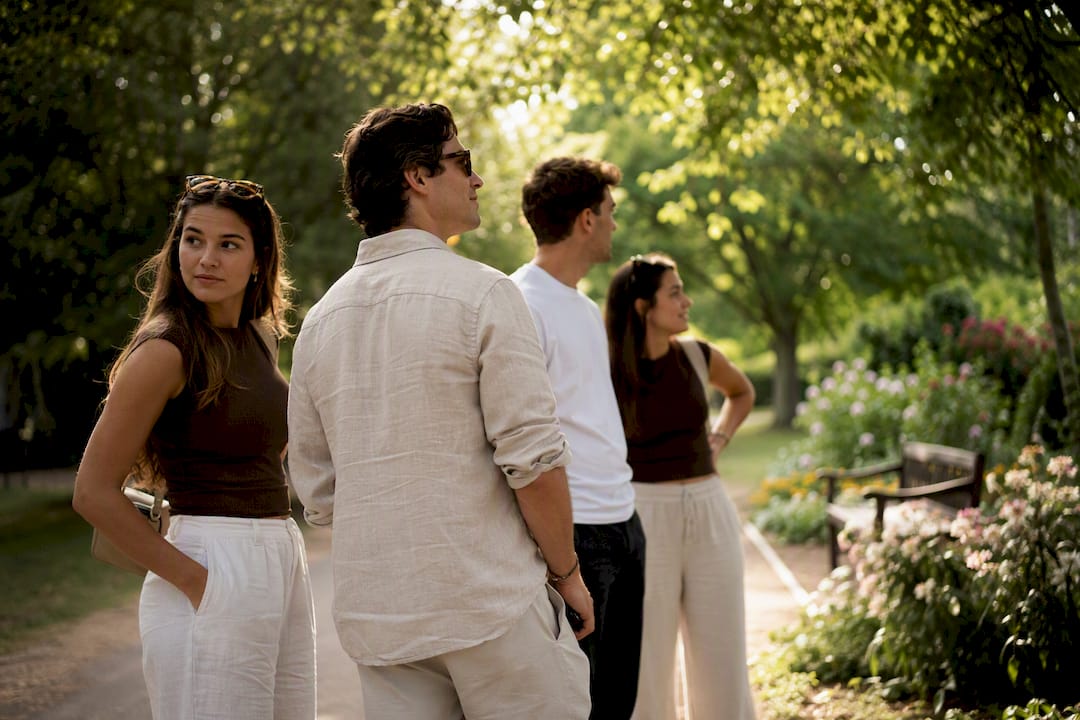
If you want family waiting nearby for the celebration afterwards, give them a separate meeting point and a time window rather than the exact proposal minute. A group hovering too close, or checking phones too obviously, is one of the more common ways surprises unravel. Ask them to arrive "sometime after 5pm" rather than "at 5:15pm sharp", so their body language doesn't tip things off if your partner glances over early.
For friends who are helping stage part of the moment, a decoy dinner booking or a fake work meeting, keep the group small. Every additional person who knows is another chance for a text message, a knowing look, or an over-excited comment to land at the wrong time. If someone's a naturally poor liar under pressure, give them a task that happens after the proposal instead of before it.
Coordinate timing through your photographer rather than a group chat where messages might pop up on a shared phone or smartwatch. A single point of contact, usually you and the photographer, keeps the signal chain simple and reduces the chance of a mixed message reaching the wrong person at the wrong moment.
What if something goes wrong during the shoot?
Even a well-planned proposal runs into surprises of its own, and a good photographer plans for that as part of the job, not as an afterthought.
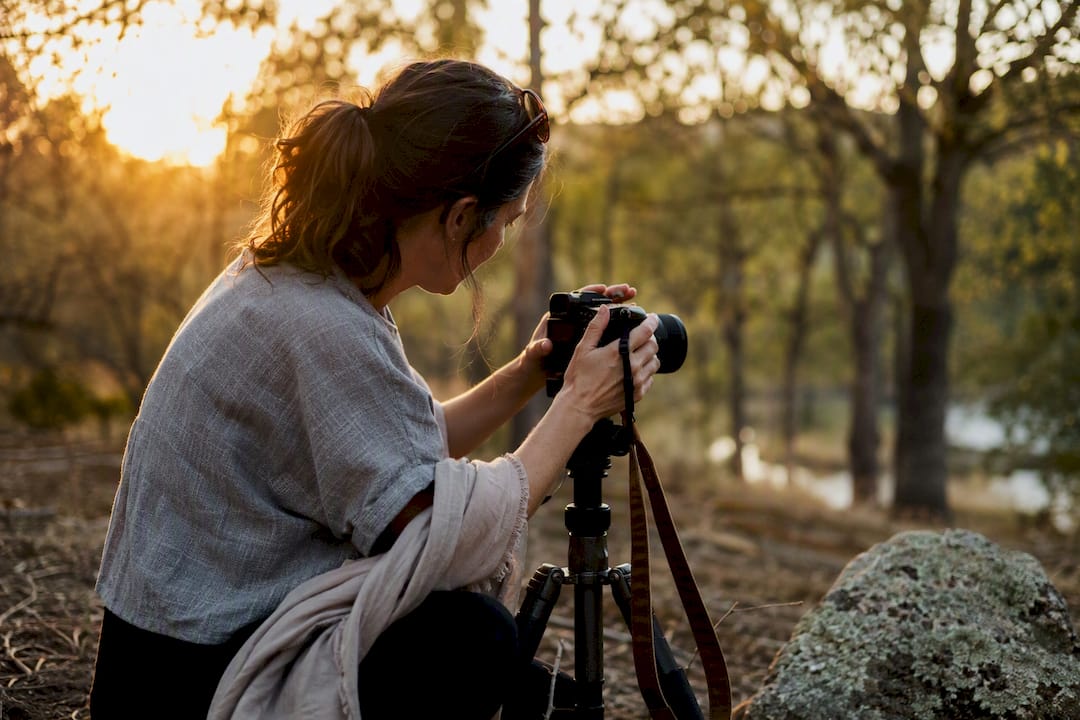
Weather is the most common disruptor. A contingency plan with backup vantage points and an alternate kneel spot means a sudden shower or a gust of wind doesn't derail the day, it just shifts the location by fifty metres to somewhere covered.
Interruptions happen too. A jogger cuts through the frame, a dog wanders into shot, or another couple sets up for their own photos in the exact spot you'd chosen. Experienced photographers build a few minutes of buffer into the timing precisely so a thirty-second interruption doesn't force you to abandon the plan.
Then there's the reaction itself. Not every partner drops to their knees or bursts into tears, some go quiet, some laugh nervously, some need a moment before they can speak. None of that is a problem for a photographer who knows to keep shooting through the pause rather than assuming the moment's over. The real risk isn't an unscripted reaction, it's a photographer who stops shooting too early because the moment didn't match the version they expected. Genuine emotion rarely arrives on cue, and the best proposal photos usually come from the seconds nobody planned for.
What conventional proposal advice gets wrong
Most guides fixate on hiding the photographer well, and that matters, but it's not where proposals actually go sideways. The bigger failure point is the handoff immediately after the "yes", when couples pack up and leave before the photographer has had a chance to capture anything beyond the kneel and one hug.
The evidence on this is fairly consistent: sessions that build in a genuine post-proposal window produce noticeably stronger galleries than ones that treat the proposal itself as the entire shoot. That's not a minor scheduling detail, it's the single biggest lever a couple controls. You can't fully script how your partner reacts, but you can absolutely control whether there's time afterwards to capture what happens once the shock wears off.
My advice, if you take away one thing from this guide: spend less energy perfecting the disguise and more time protecting those twenty minutes afterwards. Tell your partner you've booked a nice dinner, tell them anything, just don't let the celebration get cut short before the camera's had its chance.
Book your surprise proposal photography with Life in style Photography
Life in style Photography gives you a direct path to a proposal package with clear terms from the start, no chasing a quote through five email threads or guessing what's included. Based in Auckland, the studio works with couples on the discreet planning side, from signal to vantage point, and builds a post-proposal portrait window into every booking so the gallery you receive is more than a single kneeling shot.

The relaxed, engaging on-set style that Life in style Photography is known for makes the portrait portion feel like a natural continuation of the moment rather than a formal photoshoot bolted onto the end. If you're ready to lock in a date, browse the couples engagement portfolio to see how candid reactions translate into finished images, then get in touch with your proposed date, location, and a couple of recent photos to receive a tailored quote.
Frequently asked questions
How far in advance should I book surprise proposal photos? Aim for two to six weeks ahead, and book earlier if your proposal falls during a busy season like spring or summer weekends.
How long should the photographer stay after the proposal? Plan for 10 to 30 minutes, with 20 to 30 minutes giving the strongest results if your partner is comfortable with a short portrait session.
Where does the photographer hide during the proposal? Common options include posing as a landscape photographer, standing thirty or more metres away with a long lens, or blending in as a vendor, depending on the location.
What if it rains on the day? A photographer with a contingency plan will have a backup vantage point or covered alternative spot mapped out in advance, so a shift in weather doesn't cancel the shoot.
Do I need to tell my photographer my partner's reaction style? It helps. Sharing whether your partner tends to be loud, quiet, or needs a moment to process lets the photographer keep shooting through pauses rather than assuming the moment has ended.
Sources
- How to plan surprise proposal photos - Rodney Bailey
- How to hire a surprise proposal photographer - Planning to Propose
Recommended
- Auckland Wedding and engagement photographer - Auckland Portrait, Branding & Wedding Photographer | Life in Style Photography
- Auckland Engagement photography - Auckland Portrait, Branding & Wedding Photographer | Life in Style Photography
- Micro Wedding Photography: A Complete Guide for Couples
- Auckland Event Photographer Portfolio - Auckland Portrait, Branding & Wedding Photographer | Life in Style Photography