
Micro wedding photography is documentary-style coverage designed for intentionally small celebrations, typically a small group of guests, where the goal is presence over performance. The single most important thing to prioritize when hiring: choose a photographer who provides timeline guidance and planning assistance, because at a micro wedding there is often no dedicated planner, and that role falls to your photographer.
Here is what to expect from a well-structured micro-wedding package:
- Coverage: Focused sessions ranging from a couple of hours (ceremony only) to most of the day (full coverage with portraits and reception)
- Deliverables: A curated gallery of edited images, sneak-peek previews within a few days, and a full online gallery within 4–6 weeks
- Candid and portrait balance: Documentary moments woven with intentional portrait windows
- Planning support: Custom timelines, vendor recommendations, and permit assistance in many packages
Pro Tip: Ask every photographer you interview whether timeline creation is included in their package. If they say no, that is a signal they may not be experienced with micro-format events.
Table of Contents
- What exactly is a micro wedding, and is yours one?
- Why a micro wedding often produces stronger photos
- How photographers actually shoot micro weddings
- Why photographer planning assistance changes the final gallery
- What micro-wedding photography packages typically include and cost
- Sample micro-wedding timelines and a practical shot list
- How to choose the right photographer for your micro wedding
- Venue and location types that photograph especially well
- Day-of tips that reliably improve your photos
- How to evaluate a photographer's portfolio for micro-wedding fit
- Key Takeaways
- What micro weddings get right that bigger weddings often miss
- Life in style Photography brings a documentary approach to your micro wedding
What exactly is a micro wedding, and is yours one?
A micro wedding is an intentionally small celebration, usually with a small group of guests, built around meaning rather than scale. Photographers define the threshold differently: some treat 10–25 guests as an elopement and up to 50 guests as a micro wedding. These ranges are guidance rather than strict rules, but most professionals place micro weddings in the 10–50 guest range. The distinction matters less than the shared philosophy: fewer people, more presence.
Common micro formats include:
- Backyard or private garden ceremonies with a catered dinner for close family
- Courthouse or city-hall ceremonies followed by a restaurant dinner
- Boutique restaurant private dining rooms where ceremony and reception happen in one space
- Destination micro weddings with a small guest list at a scenic location
The key difference between a micro wedding and a traditional small wedding is pacing. A traditional wedding, even a modest one, tends to follow a production schedule: cocktail hour, formal dinner, speeches, first dance. A micro wedding can breathe. That relaxed pace is exactly what creates space for the candid, in-between moments that make intimate wedding photos so compelling.
Why a micro wedding often produces stronger photos
Fewer guests change what a photographer can do. Without managing large group logistics, the photographer can stay focused on emotion, light, and the quiet narrative details that define a day.
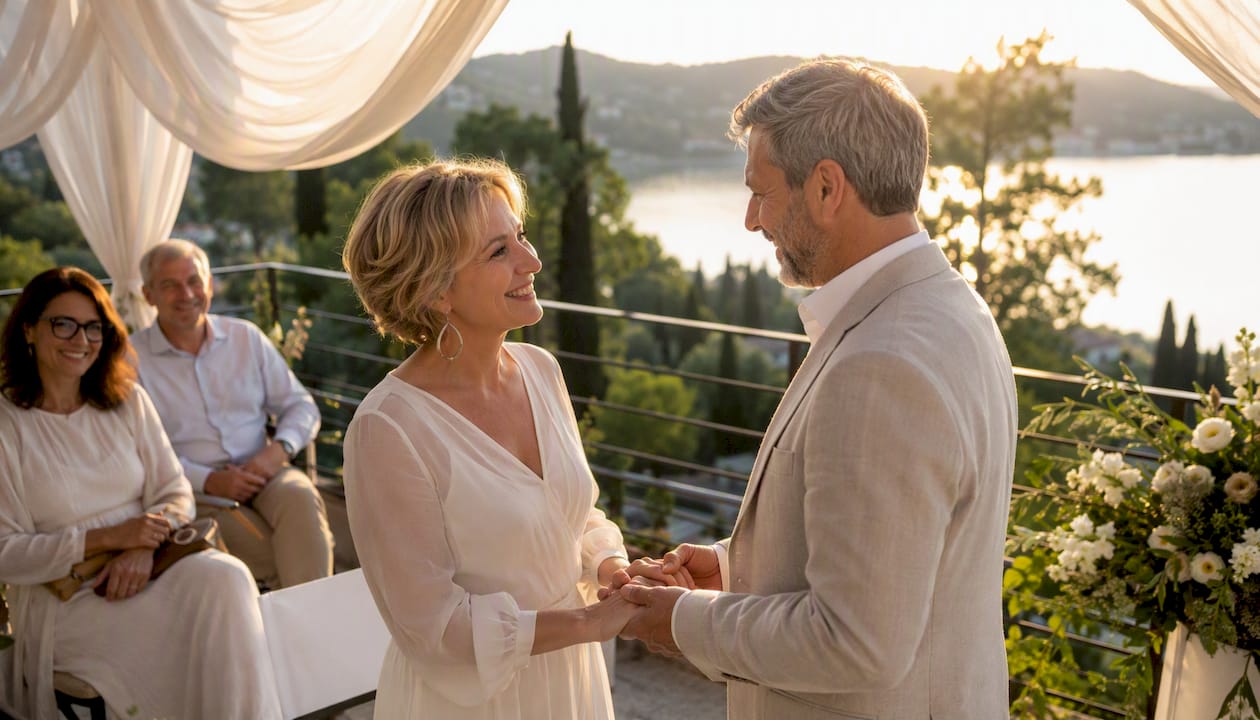
Photographers report being able to offer more portrait time and capture quieter "in-between" moments at micro weddings than at larger events. That translates directly into a richer gallery.
The practical photography advantages of a small celebration include:
- Fewer staged moments: A guest list of 20 people does not require a receiving line or a formal group photo marathon, so candid documentary shots happen organically.
- Flexible location logistics: Smaller parties can access locations that are off-limits to larger groups, including state park overlooks, private terraces, and boutique venues with limited capacity.
- Better light windows: With a relaxed timeline, you can schedule portrait sessions during golden hour rather than squeezing them between a cocktail hour and a 200-person dinner.
- Lower venue and catering spend: Many couples redirect that budget toward photography quality, which is the one wedding investment that lasts.
Intimacy is the ultimate luxury for many couples. A small, familiar location often yields the most emotionally resonant images compared with bigger, production-driven weddings.
How photographers actually shoot micro weddings
Micro weddings shift creative priorities from staged formality to presence and candid storytelling. Most photographers who specialize in this format lean on a documentary approach, staying unobtrusive and letting moments develop rather than directing them.
Dominant styles you will encounter:
- Documentary/candid: The photographer moves through the day like a guest with a camera, capturing glances, laughter, and quiet conversations without interrupting them.
- Editorial portraits: Short, intentional portrait windows (a short portrait window) where the photographer guides posing loosely, aiming for natural expression rather than stiff poses.
- Mixed digital and film: Some photographers intentionally use both digital and 35mm film to achieve a cinematic, timeless look. Digital handles precision and low-light reliability; film adds texture and warmth.
Gear choices matter more than couples realize. Fast prime lenses in the 35–85mm range are the standard for candid portraits because they work well in low light and stay unobtrusive. A telephoto lens (85–135mm) lets the photographer capture ceremony moments from a respectful distance without crowding the space.
The role expansion is worth understanding: at a micro wedding, your photographer often becomes your day-of timeline guide. They will flag when light is shifting, suggest moving portraits earlier, and keep the day on track without a planner in the room.
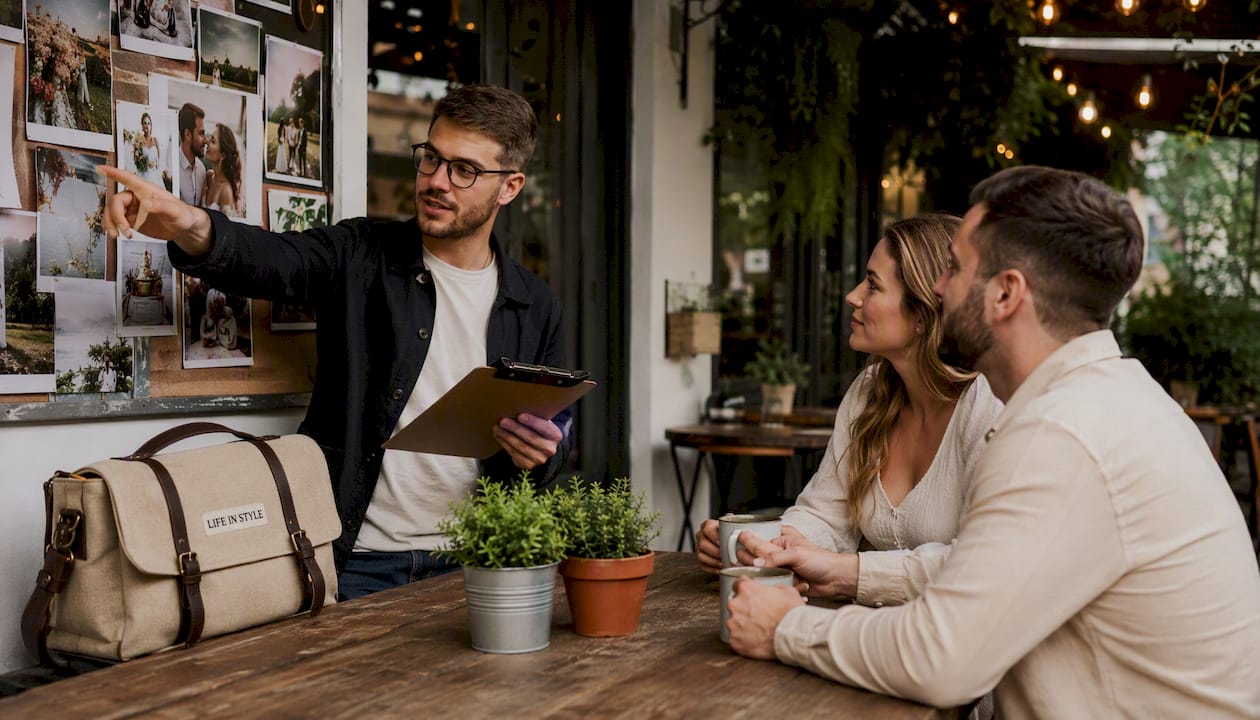
Pro Tip: Before you sign a contract, ask specifically whether the photographer will help build your day-of timeline. Photographers who offer this consistently produce more cohesive galleries because the day flows rather than lurches.
Why photographer planning assistance changes the final gallery
Photographers who provide timeline guidance are especially valuable for micro weddings because many micro events lack a dedicated planner. When no one is managing the schedule, the day drifts, and drifting days produce rushed portraits and missed light.
Planning assistance protects two things above all: candid moments and natural light windows. A photographer who has mapped your venue in advance knows exactly when the afternoon sun hits the garden terrace and can build a portrait window around it. Without that preparation, you end up shooting in harsh midday light or losing the golden hour entirely.
Consider a simple example: a couple books a 4-hour package at a private garden. Their photographer arrives around half an hour early, walks the space, identifies a shaded ceremony spot and a west-facing terrace for portraits. They build a timeline that places the ceremony at 5:00 PM and portraits at 6:15 PM, right as the light softens. The result is a gallery with warm, flattering portraits and a ceremony sequence shot in open shade. Without that pre-planning, the couple might have scheduled portraits at 4:00 PM in direct sun.
Pro Tip: Request a sample timeline from your photographer before you book. A photographer who cannot produce one has likely not shot many micro-format events.
What micro-wedding photography packages typically include and cost
Most photographers structure micro-wedding packages around coverage hours rather than guest count, because the creative work and time investment remain similar regardless of whether you have about 10–50 guests.
| Package Type | Coverage | Typical Deliverables |
|---|---|---|
| Mini (ceremony only) | 2–3 hours | a curated selection of edited images, online gallery |
| Micro | several hours | a substantial selection of edited images, sneak peek, online gallery |
| Expanded micro | most of the day | a large selection of edited images, sneak peek, full gallery, album option |
Many micro-wedding packages bundle planning assistance and a clear delivery timeline for sneak peeks and full galleries. Sneak peeks typically arrive within a few days; full galleries within 4–8 weeks.
U.S. pricing expectations: Entry-level micro-wedding coverage from an experienced photographer typically starts at a modest investment. A full several-hour package from a mid-market specialist commands a higher price point. Destination or high-demand photographers charge more, and some price micro-wedding packages similarly to elopement packages because the time and creative work are comparable.
Extra fees to confirm before signing:
- Travel fees beyond a set radius
- Second shooter costs (additional fees vary by market)
- Film processing and scanning if you want analog images
- Permit assistance for state parks or public locations
- Print and album add-ons beyond the digital gallery
- Meal and parking surcharges for full-day coverage
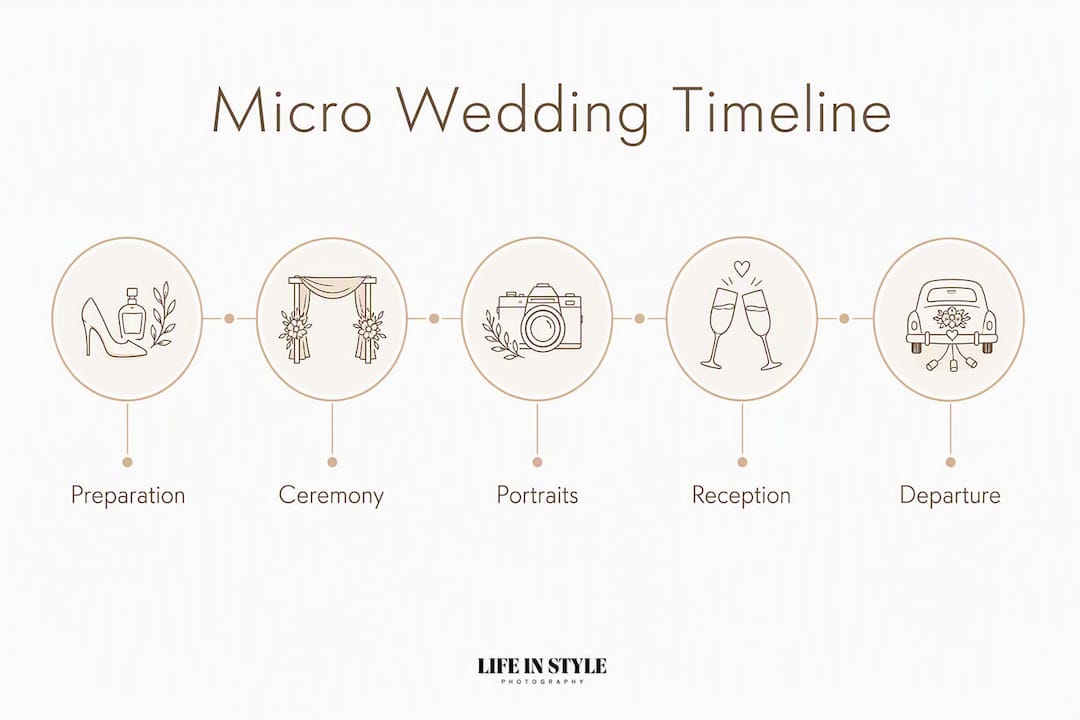
Sample micro-wedding timelines and a practical shot list
Three common coverage lengths, with recommended photographic priorities at each stage.
2-Hour Timeline (Ceremony Only)
- Arrival and detail shots (rings, invitations, florals): a brief session
- Pre-ceremony candids and guest arrivals: some time allocated
- Ceremony coverage: approximately half an hour to three quarters of an hour
- Post-ceremony couple portraits: 20–25 minutes
- Family group photos: some time allocated
4-Hour Timeline (Ceremony + Portraits + Reception Start)
- Getting-ready details and candids: around half an hour
- First look or pre-ceremony portraits: around half an hour
- Guest arrivals and pre-ceremony candids: a brief session
- Ceremony: approximately half an hour to three quarters of an hour
- Post-ceremony "in-between" moments and family photos: around half an hour
- Golden-hour couple portraits: 20–around half an hour
- Reception candids (toasts, first dance, dinner): around an hour
6-Hour Timeline (Full Micro-Wedding Day)
- Getting-ready coverage (both partners): 60 minutes
- Detail shots and venue walk: a brief session
- First look and pre-ceremony portraits: around half an hour
- Ceremony: approximately half an hour to three quarters of an hour
- Post-ceremony candids and family formals: around half an hour
- Cocktail hour candids: around half an hour
- Golden-hour portraits: 20–around half an hour
- Reception (toasts, dinner, dancing): 60–90 minutes
Essential shot list by priority:
- Ceremony: vows exchange, ring placement, first kiss, processional and recessional
- Couple portraits: relaxed walking shots, close-up expressions, location-specific environmental portraits
- Family and guest candids: reactions during vows, laughter at the table, quiet conversations
- Detail shots: rings, florals, table settings, invitation suite, venue architecture
- "In-between" moments: the exhale after the ceremony, a private glance, a hand squeeze
When moving between locations (ceremony site to dinner venue, for example), build a 15-minute buffer into the timeline. That buffer is where some of the best candid images happen.
How to choose the right photographer for your micro wedding
The most important filter is evidence of candid, documentary work at events with similar guest counts. A portfolio full of 200-person ballroom weddings does not tell you how a photographer performs in a backyard with 18 guests.
Selection criteria to evaluate:
- Consistent exposure and color across a full gallery (not just the highlight reel)
- Candid-to-posed ratio that matches your preference
- Planning assistance explicitly listed in the package
- Clear delivery promises in the contract
- Client experience signals: responsiveness, warmth, and clarity in early communications
Ten questions to ask during your photographer interview:
- Can you walk me through how you build a day-of timeline for a micro wedding?
- Do you include planning assistance in your package, or is that an add-on?
- Can I see a full gallery from a micro wedding with a similar guest count and venue type?
- What is your backup plan if you have a gear failure or personal emergency?
- How do you handle low-light ceremony spaces?
- What is your editing style, and can I see before-and-after examples?
- How many images per hour should I expect in my final gallery?
- What does your sneak-peek and full-gallery delivery timeline look like?
- Do I own the images, or is there a licensing restriction on printing?
- Do you offer second-shooter coverage, and do you recommend it for my guest count?
Red flags to avoid: inconsistent galleries where every wedding looks different (a sign of no consistent style), vague delivery timelines ("a few weeks"), no written contract, and pressure to add services without explaining the value.
Venue and location types that photograph especially well
Locations with natural beauty, including gardens, coastal overlooks, and private landscapes, yield the best results for micro-wedding photography because they supply quiet moments and flattering natural light.
- Private gardens and backyards: Controlled guest flow, familiar surroundings that relax couples, and textured greenery that works as a natural backdrop in any season.
- Boutique restaurants and private dining rooms: Warm ambient lighting, intimate scale, and the convenience of ceremony and reception in one space.
- Small inns and B&B terraces: Often architecturally interesting, with access to both indoor and outdoor spaces and flexible timing agreements.
- Courthouses and city halls: Clean architectural lines, often beautiful natural light in atrium spaces, and a relaxed, low-logistics format.
- State parks and coastal overlooks: Dramatic natural backdrops, but confirm permit requirements in advance. The Leave No Trace principles for elopement photographers apply at protected sites and are worth reviewing before you plan.
- Botanical gardens and arboretums: Predictable light, curated greenery, and often available for small private bookings.
When you contact a venue, ask specifically about: photography access windows (when you can shoot without other guests in frame), backup indoor spaces in case of weather, and whether the venue has a preferred vendor list that might affect your photographer choice.
Day-of tips that reliably improve your photos
Small adjustments on the wedding day make a measurable difference in the final gallery, and most of them cost nothing.
- Schedule portraits near golden hour. The around an hour before sunset produces warm, soft light that flatters skin tones and creates depth in outdoor portraits. If your ceremony ends at 4:00 PM, plan a portrait window at 6:30 PM rather than immediately after the ceremony.
- Keep action areas clear. When the photographer is shooting candid moments, a crowd of guests with phones creates visual clutter and blocks angles. Gently ask guests to put phones away during the ceremony.
- Prepare a detail kit the night before. Gather rings, the invitation suite, florals, and any meaningful objects in one small bag or tray. Hand it to your photographer when they arrive so detail shots happen quickly and nothing gets forgotten.
- Appoint a point-of-contact for timeline decisions. Choose one trusted person (a sibling, a close friend) who can make minor schedule calls if you are occupied. This keeps the day moving without pulling you away from guests.
- Communicate the light situation in advance. If your ceremony space has low light or direct sun at a specific time, tell your photographer before the day. They can bring the right gear and adjust positioning accordingly.
Pro Tip: If your venue allows it, do a brief walk-through with your photographer a week before the wedding. Even a brief session on-site lets them identify the best light windows, flag any logistical surprises, and arrive on the day fully prepared.
How to evaluate a photographer's portfolio for micro-wedding fit
A highlight reel is not a portfolio. The real test is a full gallery from a single event, viewed start to finish.
What to inspect in a full gallery:
- Candid-to-posed ratio: Does the gallery feel alive, or does it look like a series of directed poses? For a micro wedding, you want at least 60–70% candid or semi-candid images.
- Consistency across the full event: Check exposure and color in the getting-ready shots, the ceremony, and the reception. Inconsistency across lighting conditions signals a photographer still developing their technical skills.
- Skin tones in mixed light: Outdoor-to-indoor transitions are common at micro weddings. Look for accurate, flattering skin tones in both environments.
- "In-between" moments: The best micro-wedding galleries include private glances, quiet conversations, and the exhale after the ceremony. If every image is a formal pose, the photographer may not be comfortable with documentary work.
- Similar venue and guest count: A garden wedding gallery tells you more about your backyard ceremony than a ballroom gallery does.
Questions to validate fit on a call:
- "Can you send me a full gallery from a micro wedding with 10–50 guests?"
- "What is your editing workflow, and how consistent is your color across a full day?"
- "How many images per hour do you typically deliver for a 4-hour micro-wedding package?"
For an additional perspective on gallery delivery and presentation, these tips on building a perfect wedding gallery are worth reviewing before your photographer conversations.
Key Takeaways
Hiring a photographer who provides timeline guidance and planning assistance is the single most important decision you will make for your micro-wedding photography.
| Point | Details |
|---|---|
| Hire for planning support | Choose a photographer who builds custom timelines; it protects candid moments and light windows. |
| Prioritize "in-between" moments | The best micro-wedding galleries capture quiet, unscripted moments, not just ceremony portraits. |
| Confirm deliverables in writing | Agree on edited image count, sneak-peek timing, and full gallery delivery before you sign. |
| Evaluate full galleries, not highlights | Request a complete gallery from a similar event with 10–50 guests to assess consistency and candid-to-posed balance. |
| Life in style Photography | Offers documentary-style wedding coverage with planning assistance, custom timelines, and online gallery delivery. |
What micro weddings get right that bigger weddings often miss
The conventional wisdom in wedding photography is that more coverage equals better results. More hours, more shooters, more angles. At a micro wedding, the opposite tends to be true. Constraint is the creative advantage.
When a photographer is not managing 150 guests, coordinating with a six-piece band, and racing between a ballroom and a bridal suite, they can slow down. They can notice the way a couple looks at each other during the toast, or the grandmother quietly wiping her eyes in the third row. Those are the images couples frame and keep for decades, and they almost never happen at large, production-heavy weddings because no one has the time or the space to catch them.
What I find most compelling about intimate wedding photography is that it demands honesty from the photographer. There is no crowd to hide in, no grand venue to lean on for visual interest. The images have to come from real moments, real light, and real connection. That is a harder brief, and it produces better work.
The couples who get the most from a micro wedding are the ones who resist the urge to add. More guests, more vendors, more structure. The restraint is the point. And a photographer who understands that will build a timeline that protects the quiet moments rather than filling every minute with activity.
Life in style Photography brings a documentary approach to your micro wedding
Life in style Photography offers wedding photography packages built specifically for couples who want genuine, unhurried coverage of their small celebration. Every package includes planning assistance and a custom day-of timeline, so you are not managing the schedule on your own. The approach is documentary first: the camera stays out of the way until a real moment is worth capturing, and then it is there.
Packages cover 2-hour ceremony sessions through full-day expanded micro coverage, with online gallery delivery, sneak-peek previews, and print options available. You can review intimate event and small-wedding work in the portfolio to get a clear sense of the editing style and candid-to-posed balance before reaching out.
To check availability for your date and request a custom quote, get in touch through the website. Dates book quickly for spring and fall, so the earlier you reach out, the more flexibility you will have in building a package that fits your day.
Recommended
- Auckland Engagement photography - Auckland Portrait, Branding & Wedding Photographer | Life in Style Photography
- What to Look for in a Good Photographer: A Complete Guide - Auckland Portrait, Branding & Wedding Photographer | Life in Style Photography
- Auckland Engagement Photographer - Auckland Portrait, Branding & Wedding Photographer | Life in Style Photography
- Auckland Wedding and engagement photographer - Auckland Portrait, Branding & Wedding Photographer | Life in Style Photography