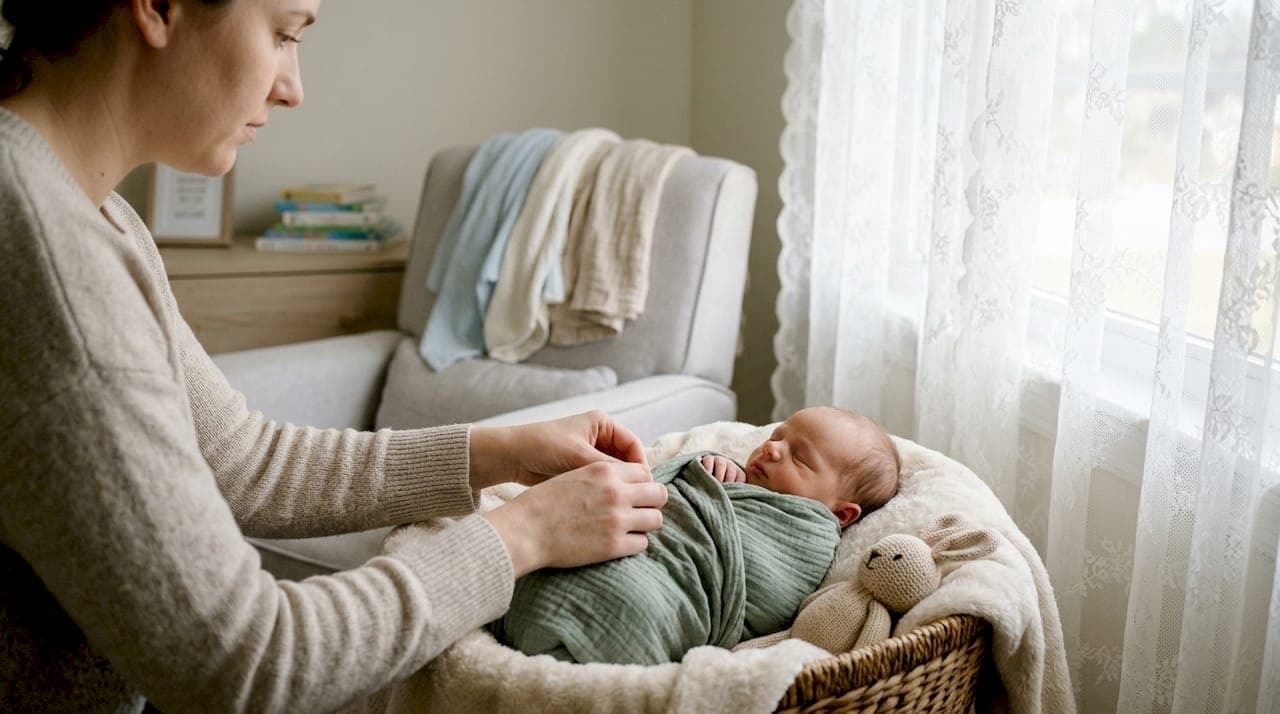
Hiring a professional photographer for newborn photos at home is not only possible — it's one of the most popular ways American families document those first fleeting days. A trained in-home newborn photographer comes to you, works around your baby's feeding schedule, and captures portraits in the spaces where your family actually lives. The result is a set of images that feel real, warm, and entirely yours.
Before you start searching, here are the three most important steps:
- Book during your second trimester. Most experienced photographers fill their newborn slots months in advance.
- Ask specifically about safety training and newborn handling experience before committing to anyone.
- Identify 2–3 well-lit areas in your home (nursery, master bedroom, living room) so you're ready when the photographer arrives.
The American Academy of Pediatrics emphasizes that newborn positioning should always support the head and spine. Any photographer you hire should be able to explain, clearly and confidently, how their posing approach reflects that standard.
Table of Contents
- How do you choose the right in-home newborn photographer?
- What does an in-home newborn session typically cost?
- When should you schedule, and how long does a session take?
- How should you prepare your home before the photographer arrives?
- What safety practices should your photographer follow?
- What do you receive after the session?
- Your pre-session checklist
- How Life in style Photography approaches in-home newborn sessions
- Key Takeaways
- Why the first two weeks matter more than parents realize
- Ready to book your in-home newborn session?
How do you choose the right in-home newborn photographer?
The most important filter is documented newborn experience, not just general portrait work. There are no universal governing certifications for newborn photographers in the U.S., so you need to ask direct questions and look for concrete evidence.
Core criteria to evaluate:
- Newborn-specific portfolio showing in-home lifestyle sessions and parent-and-baby images
- Proof of newborn safety training (workshops, mentorships, or formal courses)
- Liability insurance and a signed contract before any deposit changes hands
- Clear package descriptions with deliverables spelled out in writing
- Backup plan if the photographer is ill on your session day
Questions to ask on your discovery call:
- How many newborn sessions have you photographed?
- What safety training have you completed for newborn posing?
- What happens if my baby won't settle or the session runs long?
- How many final edited images are included, and in what format?
Red flags to watch for: vague answers about safety training, no written contract, packages described only verbally, or a portfolio that shows no newborn work at all.
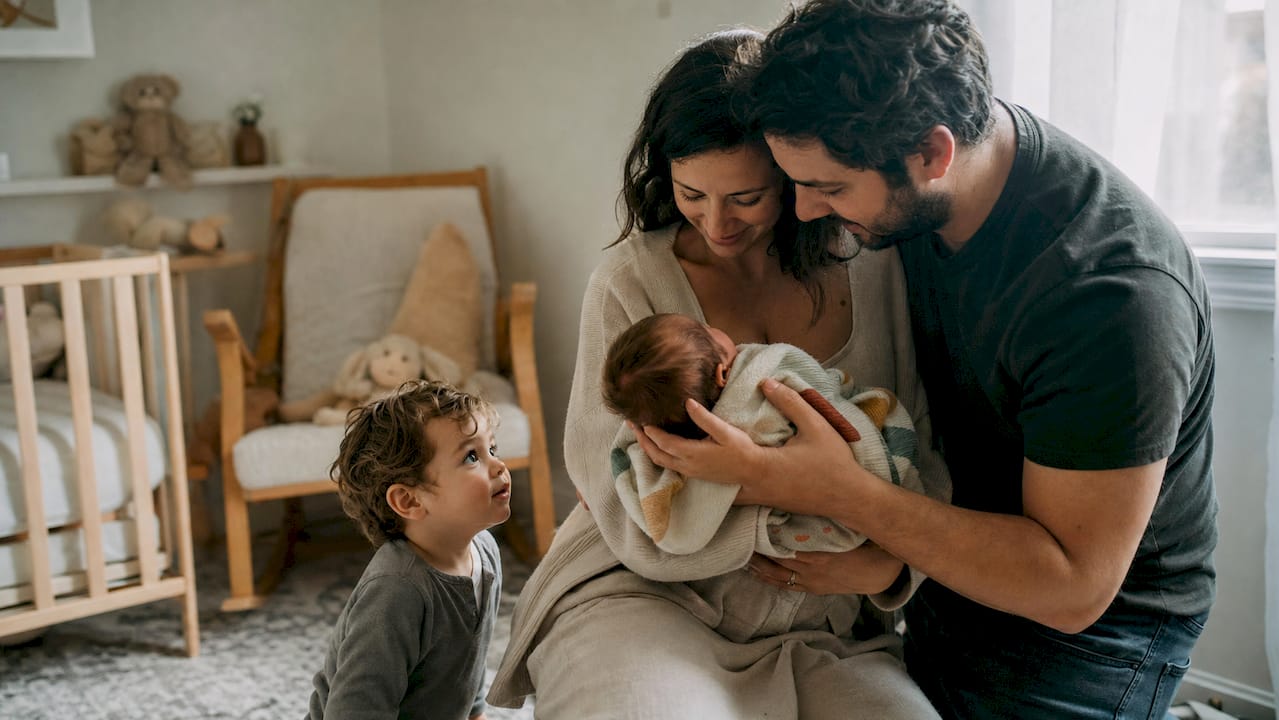
Pro Tip: When reviewing a portfolio, look beyond the baby-only shots. Parent-and-baby lifestyle images and sibling moments reveal how a photographer handles real family dynamics, not just a perfectly settled newborn on a beanbag.
What does an in-home newborn session typically cost?
Pricing for in-home newborn lifestyle sessions varies by market and experience level, but most U.S. photographers structure their fees in one of two ways: a session fee that covers time and basic editing, with digital files or prints purchased separately, or an all-inclusive package that bundles everything upfront.
Common inclusions in a standard package:
- 2–3 hours of shooting time at your home
- Basic editing and color correction on selected images
- Travel within a defined radius (extra fees apply beyond that)
- Wraps, small props, and backdrops the photographer brings
Add-ons that typically cost extra:
- High-resolution digital files (sometimes sold individually or in collections)
- Fine art prints, albums, or framed wall art
- Extended travel beyond the included radius
- Rush or expedited gallery delivery
- Additional retouching beyond standard editing
Many photographers also include extras like a complimentary mini maternity session when you reserve a full newborn session during pregnancy, which adds real value to early booking.
Pro Tip: When comparing quotes, check the number of final edited images included, not just the session fee. A lower session fee with a small image count can cost more overall than a higher-fee package with generous file delivery.
When should you schedule, and how long does a session take?
Book during your second trimester to secure your spot. Most photographers use your due date as a placeholder, then confirm the exact session date once your baby arrives. The ideal window for classic newborn portraits is generally within the first two weeks after birth, when babies sleep deeply and curl naturally. Lifestyle-focused sessions can work somewhat later into the first few weeks, though posing options may become more limited.
Photographers commonly use the due date as a placeholder, require a contract and retainer, and bring all necessary equipment to create a studio feel inside your home. The session itself typically runs a few hours with many photographers allocating extra time to allow for feeding, soothing, and outfit changes without rushing.
| Stage | Timing |
|---|---|
| Book your photographer | Second trimester (starting week 14) |
| Contact photographer at birth | Within a short window after delivery |
| Session window | Days 5–14 after birth (ideal) |
| Sneak peek delivery | Within a few days of the session |
| Full gallery delivery | 2–3 weeks after the session |
How should you prepare your home before the photographer arrives?
You don't need a spotless house. Lived-in homes photograph beautifully, and photographers typically do a quick walk-through on arrival to find the best light and make small on-site adjustments. Focus your energy on 2–3 specific areas rather than cleaning every room.
Best spaces to prepare:
- Nursery: Clear the floor near the crib and open the blinds for natural light.
- Master bedroom: Pull back curtains, remove clutter from nightstands, and have a neutral duvet or throw ready.
- Living room: Move large furniture pieces away from windows to open up the light.
Styling tips for parents and baby:
- Neutral tones (cream, white, soft gray, warm beige) photograph cleanly and keep the focus on your family.
- Avoid bold patterns or logos on clothing.
- Layer textures — a linen shirt over a plain tee, a knit blanket over a simple swaddle — for visual depth without distraction.
- Have one or two meaningful heirlooms or blankets ready if you'd like them included.
Your photographer will bring wraps, backdrops, and small props. You provide the outfits your baby will actually wear and any personal items with sentimental value.
Pro Tip: For on-camera confidence during family shots, check out these tips for looking good on camera — small adjustments to posture and expression make a noticeable difference in lifestyle images.
What safety practices should your photographer follow?
Professional newborn posing is fully supported, baby-led, never forced, and sessions are designed around newborn behavior rather than the photographer's preferred aesthetic. Any pose that requires a baby to support their own weight, or that compresses the airway, should never appear in a professional's portfolio.
Safety checklist for your discovery call:
- Can you describe your newborn safety training and where you completed it?
- Do you use an assistant for composite or complex poses?
- How do you sanitize props and wraps between sessions?
- Do you carry liability insurance? Can you provide proof?
- What is your policy if a baby shows signs of distress during posing?
A photographer who answers these questions clearly and without hesitation is demonstrating the kind of professional standard you want in your home. If answers are vague or the topic seems to make them uncomfortable, that is a meaningful signal.
Ask about vaccination or COVID policies during your booking call. Not every photographer publishes these policies publicly, but most will share them on request.
What do you receive after the session?
Most photographers deliver a sneak peek of some images within a few days, with the full edited gallery arriving within a few weeks. Turnaround times vary, so confirm the exact timeline in your contract.
Standard deliverables to clarify before signing:
- Number of final edited images included
- File format (JPEG, TIFF) and resolution for printing
- How the gallery is delivered (online gallery, USB, download link)
- Print release or personal use license for digital files
- Whether prints and albums are available through the photographer's lab
- Confirm the image count in writing — "approximately 30 images" is not the same as "minimum 30 images."
- Ask about the retake policy — most photographers do not offer reshoot guarantees for lifestyle sessions, but some will address technical errors (focus, exposure) at no charge.
- Clarify file usage — personal use licenses cover printing for your own home; commercial use requires a separate agreement.
- Check the gallery expiration date — some online galleries expire after 30–60 days, so download your files promptly.
Your pre-session checklist
Before contacting a photographer:
- Set a realistic budget range, including potential add-ons
- Decide your preferred session window (first 1–3 weeks or slightly later)
- List 2–3 must-have shots (baby alone, parent-and-baby, sibling)
- Identify your best-lit rooms
- Prepare your safety questions
On the day of the session:
- Have 2–3 areas cleared and ready before the photographer arrives
- Lay out outfits for parents and baby (plus backups)
- Set up a feeding station in or near the main shooting area
- Have your favorite blanket or heirloom prop accessible
- Keep snacks and drinks on hand for yourself — sessions run long
What to confirm in your booking email:
- Deposit amount and payment method
- Cancellation and rescheduling policy
- Travel fee structure and included radius
- Expected number of edited images and delivery timeline
- Contract signing process
Pro Tip: Send your safety questions in writing before the call. A photographer who answers them thoroughly in email is already showing you how they communicate with clients.
How Life in style Photography approaches in-home newborn sessions
Life in style Photography works with a baby-led philosophy: the session pace follows your newborn's cues, feeding breaks are built in, and no pose is held longer than the baby is comfortable. Before shooting begins, the team walks through your home to identify 2–3 areas with the best natural light, so the images feel connected to your actual space rather than a generic backdrop.
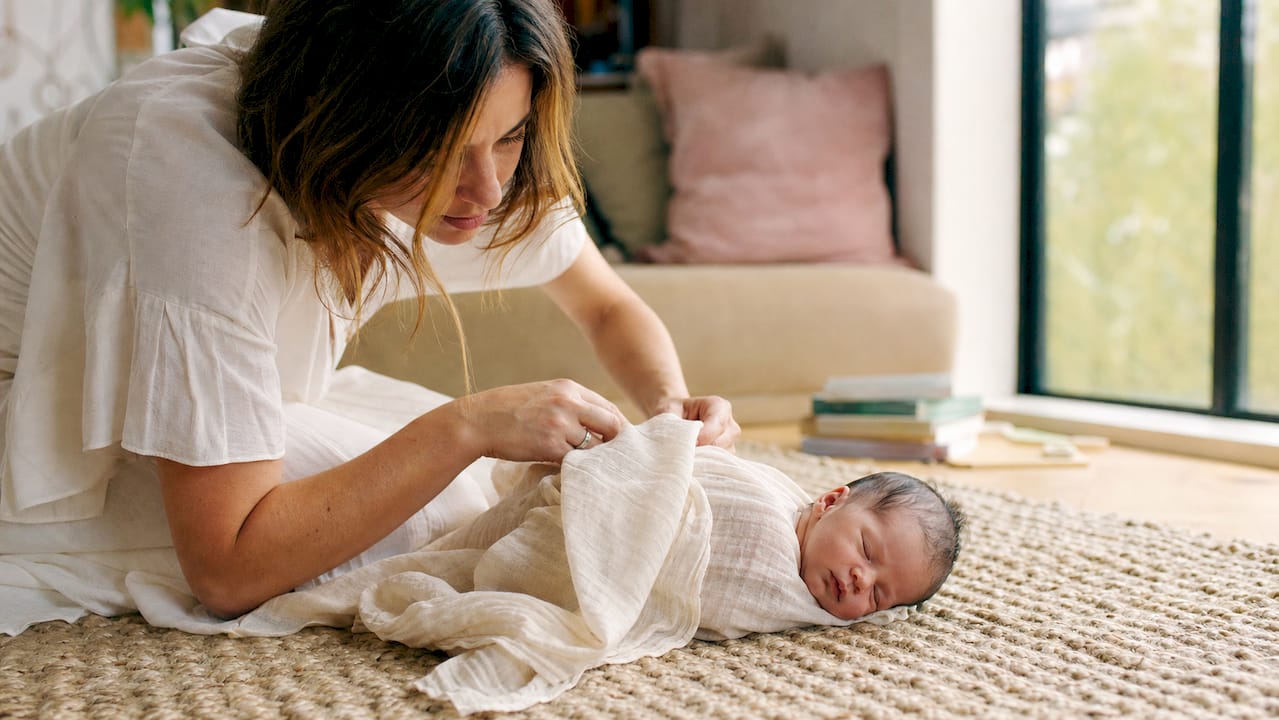
The maternity and baby photography portfolio shows the range of in-home lifestyle work available, from quiet newborn portraits in a nursery to candid parent-and-baby moments in natural window light. Family involvement is woven throughout, not added as an afterthought.
For parents who want to see the full breadth of the studio's work before reaching out, the complete portfolio covers multiple genres and gives a clear sense of editing style and consistency.
Key Takeaways
Booking an experienced in-home newborn photographer during your second trimester, confirming safety training upfront, and preparing 2–3 well-lit spaces are the three actions that most directly determine how smoothly your session goes.
| Point | Details |
|---|---|
| Book early | Reserve your spot in the second trimester; photographers use your due date as a placeholder. |
| Confirm safety training | Ask directly about newborn handling experience and liability insurance before signing any contract. |
| Prepare 2–3 spaces | Focus on your nursery, bedroom, and living room; a lived-in home photographs well. |
| Session length | Plan for 2–3 hours, with up to 4 hours blocked to allow for feeding and soothing breaks. |
| Life in style Photography | Offers baby-led in-home sessions with a lifestyle approach; view the maternity and baby portfolio to confirm style fit before reaching out. |
Why the first two weeks matter more than parents realize
Most parents assume the hardest part of booking a newborn session is finding someone available. The harder part is knowing what to ask once you find them. A photographer's availability tells you nothing about whether they've completed any safety training, whether they carry insurance, or whether their portfolio actually reflects in-home lifestyle work rather than studio setups.
The first 1–3 weeks after birth are genuinely narrow for classic newborn posing, and the window closes faster than new parents expect. By the end of this period, the deep, curled sleep that makes certain poses possible is largely gone. That's not a sales tactic — it's physiology. Booking during pregnancy isn't about locking in a vendor early; it's about giving yourself the option to be selective rather than taking whoever is available on short notice.
The other thing parents consistently underestimate is how much the photographer's communication style matters. A photographer who answers safety questions clearly, sends a detailed contract, and explains their process without being prompted is showing you exactly how they'll behave on the day of the session. That consistency is worth more than a slightly lower price.
Ready to book your in-home newborn session?
Life in style Photography offers maternity and baby photography packages designed for families who want genuine, unhurried portraits in their own home. The approach is lifestyle-first: natural light, real moments, and a session pace that follows your baby rather than a rigid schedule.
To get started, browse the maternity and baby portfolio to confirm the style is the right fit for your family. When you're ready, reach out to check availability and discuss timing. Booking requires a deposit and a signed contract; the exact session date is confirmed after your baby arrives, so there's no pressure to commit to a specific day during pregnancy.
Availability for newborn sessions is limited each month by design, so the earlier you inquire, the more flexibility you'll have. Contact Life in style Photography to ask about current openings and what's included in each package.
Recommended
- Auckland Maternity and baby photography - Auckland Portrait, Branding & Wedding Photographer | Life in Style Photography
- Auckland Maternity and baby photography - Auckland Portrait, Branding & Wedding Photographer | Life in Style Photography
- Pet Photography portfolio - Auckland Portrait, Branding & Wedding Photographer | Life in Style Photography
- Real Estate Branding Photos for Agents: Shot Checklist