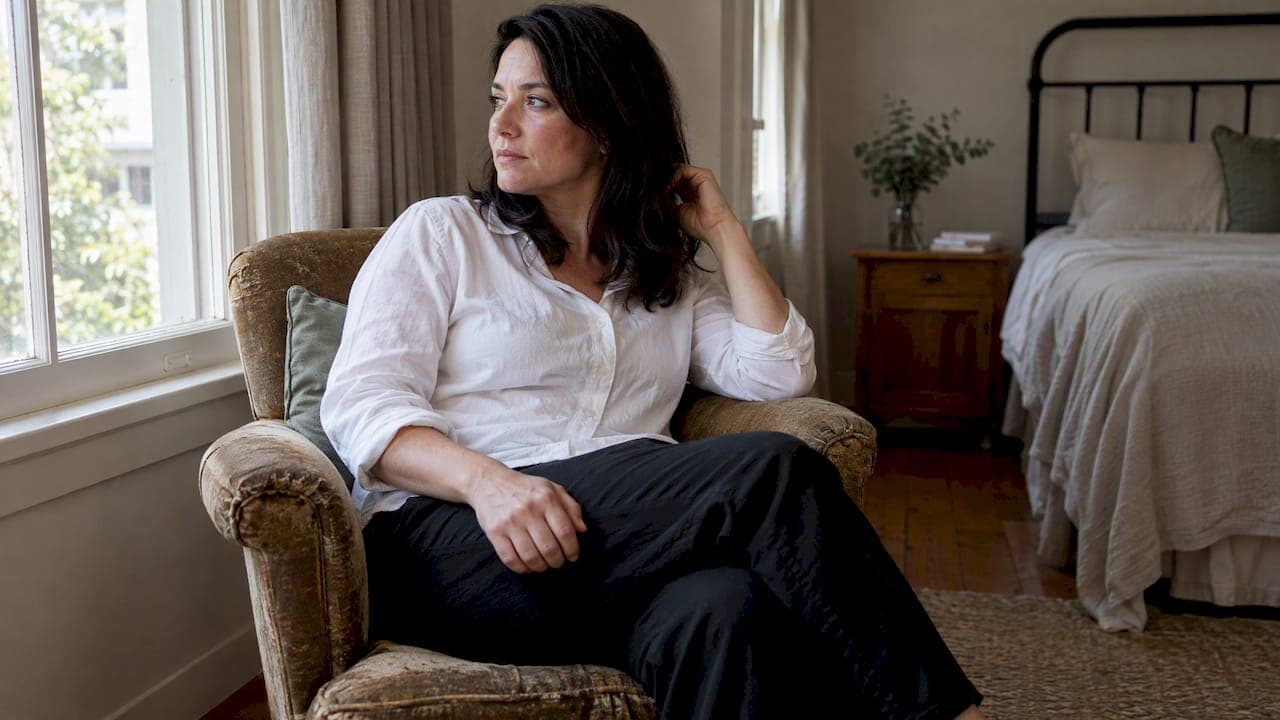
Boudoir photography is a private, intimate style of portraiture. It is usually shot in lingerie, a robe, a shirt or an outfit you feel good in, and it is about how you feel in your own skin, not about a particular look. This guide covers what a session involves, what to wear, how to prepare, and what New Zealand law says about your privacy and your images, so you can decide whether it is right for you and how to choose the person behind the camera.
A note on where we stand. Life in Style Photography is an Auckland portrait, couples, branding and wedding studio. Boudoir is not one of the sessions listed on our site, so this article is honest guidance, not a sales pitch. We do spend our days helping camera-shy people relax in front of a lens, and much of what follows comes from that experience.
TL;DR
- Boudoir is intimate portraiture that celebrates you. Most people book it for themselves, as a milestone, a confidence boost or a gift for a partner.
- You do not need to know how to pose. A good photographer directs you from the first frame, and you choose how much you wear.
- Ask in writing about privacy, who sees the images, where they are stored, and what you may do with them before you book.
- In New Zealand, making an intimate recording without consent is a criminal offence, and your images are personal information under the Privacy Act 2020.
- Choose on comfort and trust first, then on style and price. Meet or message the photographer before you commit.
Table of Contents
- What boudoir photography actually is
- Why people book a boudoir session
- What happens in a session, step by step
- What to wear
- How to prepare
- Your privacy and your rights in New Zealand
- How to choose a boudoir photographer
- Our perspective
- If a different kind of portrait session suits you
- A word on shooting in public and at home
- FAQ
- Sources
What boudoir photography actually is
The word comes from the French for a woman's private dressing room, and the style grew out of that sense of privacy. Today it covers a wide range: soft window-light portraits in a white shirt, classic lingerie sets, moody and dark studio work, or something playful with a partner's jersey and a cup of coffee.
What the sessions have in common is the intent. The pictures are made for you, usually to be kept private or shared with one person. That is a different brief from a headshot or a fitness shoot, where the images go out to an audience. It changes how the photographer plans the session, how the studio is set up and how the files are handled afterwards.
Boudoir is also not limited to one body type, age or gender, though many New Zealand photographers who specialise in it market mainly to women. If you are unsure whether a photographer welcomes you, ask. A good one will answer warmly and directly.

Why people book a boudoir session
The reasons we hear about most often for intimate portraiture are not about the photographs themselves:
- A milestone. A birthday, a divorce, recovery from illness, a pregnancy or a body change you want to acknowledge.
- A gift. For a partner, a wedding or an anniversary. Some brides book one in the weeks before the wedding.
- Confidence. Many people want to see themselves as others see them, away from phone selfies and bad lighting.
- A creative project. Some people simply enjoy being photographed with good light and good direction.
None of these needs a reason that sounds impressive. If you are curious, that is enough.
What happens in a session, step by step
Sessions vary by photographer, but most follow a similar order.
- Enquiry and chat. You ask about availability, styles and pricing. A good photographer asks what you want from the session and what you are nervous about.
- Planning. You agree the look, the location (studio, hotel room or a private home) and the amount of coverage you want. Settle your boundaries now, such as what you will and will not wear, and whether any poses are off the table.
- Hair, makeup and outfits. Some photographers include styling and some do not. Bring two or three options.
- The shoot. Usually an hour or two. The photographer guides your posture, hands, chin and angles, and shows you images on the back of the camera if you ask.
- Selection and editing. You choose your favourites, either from a private online gallery or in person, and the photographer retouches them.
- Delivery. You receive digital files, prints or an album. Confirm the format and the timeline beforehand.
If any photographer rushes step 2, or is vague about what happens to the images in step 6, take that as information.
What to wear
The honest answer is whatever makes you feel like yourself. Photographers commonly suggest a mix:
- A well-fitting bra and underwear set in a solid colour. Black, white, cream, deep red and navy photograph reliably. Busy patterns and very shiny fabrics can be harder to light.
- Something to put over the top: an oversized shirt, a cardigan, a robe or a knit.
- A simple bodysuit or slip.
- One piece that is personal to you, such as a partner's shirt, a favourite jacket or heels.
Bring more than you think you need. Our own advice for any shoot, which holds for this one, is to bring two outfits at the least, so you can change the mood halfway through. Wear loose clothing to the studio, since tight straps and waistbands leave marks that show up in the pictures.
How to prepare
Preparation is mostly about comfort.
- Skin. Avoid new products, waxing or a fresh spray tan in the 48 hours beforehand, in case of redness. If you shave, do it the day before, not an hour before.
- Sleep and water. Plain advice that works. You will look and feel more relaxed.
- Hair and makeup. Book a professional if you like, or go a little bolder than usual, because studio lighting softens makeup.
- A shot list. Save five or six images you like, and send them ahead. This is the quickest way to show a photographer your taste. We make the same case for any commission in our eight point photography brief.
- Music and a drink. Ask whether you can bring a playlist. It lowers nerves more than almost anything else.
On the questions people often search: whether to shave is entirely your call. Do what you would be comfortable with, and remember a photographer can retouch minor skin marks but should never expect a particular grooming standard. As for what comes off, nothing has to. Boudoir ranges from fully clothed through to implied nudity, and you set the limit before the shoot and again during it.
Your privacy and your rights in New Zealand
This is the part most guides skip, and it matters most.
The criminal law protects you
The Crimes Act 1961 makes it an offence to make or share an intimate visual recording of a person without their knowledge or consent. The Crimes Act definition of an intimate visual recording covers photographs and digital images. A boudoir session is consensual, but that law is the backdrop: your consent covers the session you agreed to, and it does not cover sharing the pictures wherever the photographer likes.
Your images are personal information
Under the Privacy Act 2020, businesses collecting personal information must handle it lawfully and store it with care. For a summary of how consent, privacy and marketing use fit together for photographers, see this overview of photography consent laws in New Zealand. In practice, that means you should be able to ask where your files are kept, who can open them and how long they are kept.

Copyright: who owns the pictures
In New Zealand the photographer will normally hold the copyright in the images unless you agree otherwise in writing. The New Zealand Institute of Professional Photography has written about the commissioning rule and the privacy protection that applies to private commissions under the Copyright Act 1994. That protection is meant to stop a photographer displaying or commercially using certain private commissioned images without consent. Do not rely on it alone. Get the position into the contract.
What to put in writing
Before you pay a deposit, ask for a simple written agreement that covers:
- Whether the photographer may use any image for marketing, and the default should be a firm no for boudoir.
- Where files are stored and how soon unused files are deleted.
- Whether you receive full-resolution digital files and may print them anywhere.
- Who else will be present, such as an assistant or makeup artist.
- What happens if you want to stop the session partway through.
We apply the same discipline to other work. If you are curious how a studio should approach consent and privacy for business images, our guide to getting privacy right in a brand photoshoot shows the sort of questions to put to any photographer.
How to choose a boudoir photographer
Skills matter, but fit matters more. Use these criteria.
| What to check | Why it matters | A good sign |
|---|---|---|
| Portfolio consistency | Shows whether their style matches what you want | A cohesive set across different body types, ages and lighting |
| Communication | You will be vulnerable, so you need to trust them | Replies promptly and answers privacy questions plainly |
| Setting | Private, safe and comfortable | A closed studio or a booked private space, with no one else around |
| Posing guidance | You should not have to know how to pose | They describe how they direct clients |
| Contract | Protects both sides | Clear terms on usage, storage and delivery |
| Pricing | Avoids surprises | A clear package with what is included, such as editing and number of images |
Some photographers are women-only, some work with couples, and some work in a home studio. None is better in itself. Pick the one you would be relaxed with.
Prices vary widely in New Zealand. Specialist boudoir photographers publish their own packages, and many include hair, makeup or printed products at extra cost. Compare what is included, not only the headline number, and check whether the quote is in New Zealand dollars with GST.
Our perspective
We photograph people who tell us, before the first frame, that they hate being photographed. Almost none of them is right about that. What they dislike is being told to pose, being rushed and not seeing what the camera sees.
So our approach across portraits, couples and branding sessions is relaxed and conversational. We plan carefully beforehand, give clear direction while we shoot, and never expect you to know what to do with your hands. When people trust the photographer, the pictures look natural and the session feels like a good afternoon rather than an ordeal.
That principle carries straight into boudoir, wherever you choose to do it. Your comfort comes before the photograph. Ask every question, write down every boundary, and insist on clear terms for your images. If a photographer makes any of that awkward, move on.
Boudoir is not a session we currently list, and we would rather say so than stretch our services. If you are not sure what suits you, or you want relaxed, flattering portraits in another style, we are glad to talk it through.
— Rowan Freeman
If a different kind of portrait session suits you
Some people reading about boudoir realise they mostly want one thing: to be photographed well and feel good about it. If that is you, our Auckland sessions are built around exactly that.
- Couples: the Full Session at $575 is our most popular, and the Extended Session is $800. It suits couples who want natural, connected images, and it makes a thoughtful gift.
- Personal branding: the Starter Brand Session at $575 is for anyone who needs a set of confident portraits for work.
- Headshots: The Short one starts from $345 for a quick, polished portrait.
You can browse our portfolio to see how we light and direct people, then get in touch for a chat. For the full range, start at lifeinstyle.co.nz.
A word on shooting in public and at home
If you plan a more relaxed or private shoot yourself, keep the law in mind. New Zealand Police explain that photographing people in public places is generally lawful, but that does not extend to places where people have a reasonable expectation of privacy. Boudoir belongs in a controlled private space, with everyone's consent, and never in a public spot.
FAQ
What does boudoir photography mean?
It is a style of intimate portraiture, usually shot in lingerie or other personal clothing, in a private setting. The aim is to celebrate the person in front of the camera, not to create a specific look. How much you wear and how intimate the images are is entirely your decision.
Should I shave before a boudoir shoot?
There is no requirement. Do whatever you are comfortable with. If you do shave or wax, do it the day before so any redness has settled, and tell your photographer if you have any marks or skin concerns, since good retouching can handle minor ones.
What is taken off for boudoir photos?
Only what you choose. Many sessions are done in a shirt, robe or lingerie, and some include implied nudity, where the body is covered by arms, fabric or the pose. Agree your boundaries with your photographer before the shoot and say so at any point if you want to change them.
What do guys think of boudoir photos?
It depends on the person, so there is no single answer. Many partners are touched by the gesture, but the most important opinion is yours. Book the session because you want the experience and the images, and decide afterwards whether to share them.
Are boudoir photos kept private?
They should be, but confirm it in writing. Ask the photographer how the files are stored, who sees them and whether any image can be used for marketing. In New Zealand, images of you are personal information under the Privacy Act 2020, so you are entitled to ask.
Sources
- Crimes Act 1961, intimate visual recording (New Zealand Legislation)
- Photography Consent Laws: Marketing and Privacy NZ (Sprintlaw NZ)
- NZIPP submission on the Review of the Copyright Act 1994 (MBIE)
- Rules around taking photos or filming in a public place (New Zealand Police)